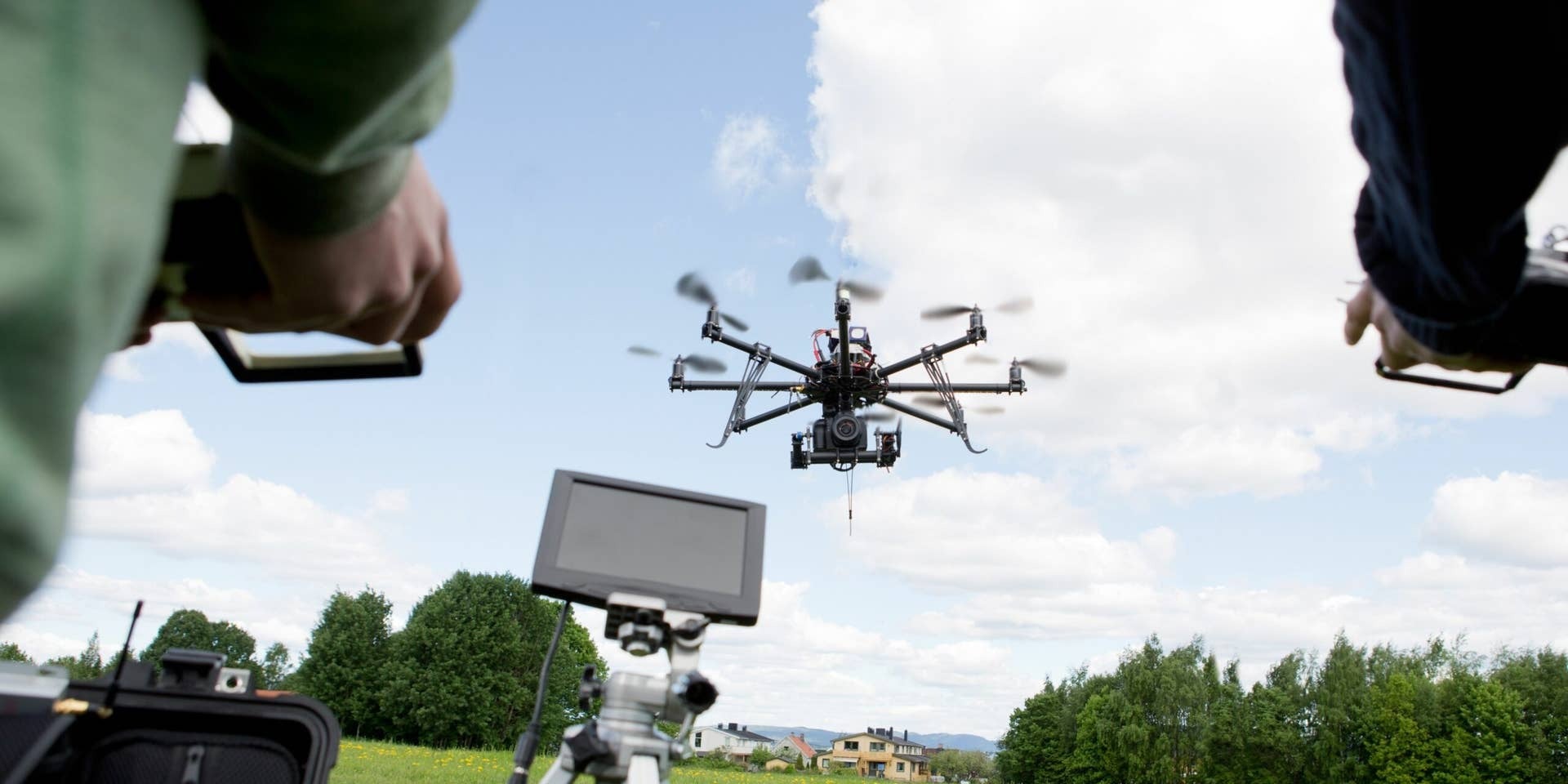
Having a Part 107 Remote Pilot Certificate, and experience operating drones, offers unmanned aircraft operators (drone pilots) many opportunities. [Credit: iStock]
Key Takeaways:
Existing crewed aircraft pilots (Part 61) are strongly encouraged to obtain a Part 107 drone certification, as their current aviation knowledge covers roughly 75% of the exam material, making the certification process significantly easier for them.
Acquiring a Part 107 certification offers substantial benefits for these pilots, including expanded career opportunities across various industries, an enhanced skill set, potential for overhead reduction in operations, increased regulatory knowledge, and a competitive advantage in the evolving aviation job market.
Having graduated from the U.S. Naval Academy, I have many pilot friends.
Several of my classmates went on to fly military aircraft while I ran around on the ground as a Marine Corps officer. Most of us are now out of the military. Even so, since getting my Part 107 certification, I have joked with several of them that flying my drone is just as sexy as flying fighter jets.
CREATE A FREE ACCOUNT
Sign up to keep reading
Create a free account to continue. Already a member? Sign in below.
David Daly is a professional writer, former Marine Corps officer, and a licensed commercial drone pilot. He is the founder of Vigilante Drones, a drone services company and a co-owner of Altitude University, a leading online educational platform for the drone industry.