













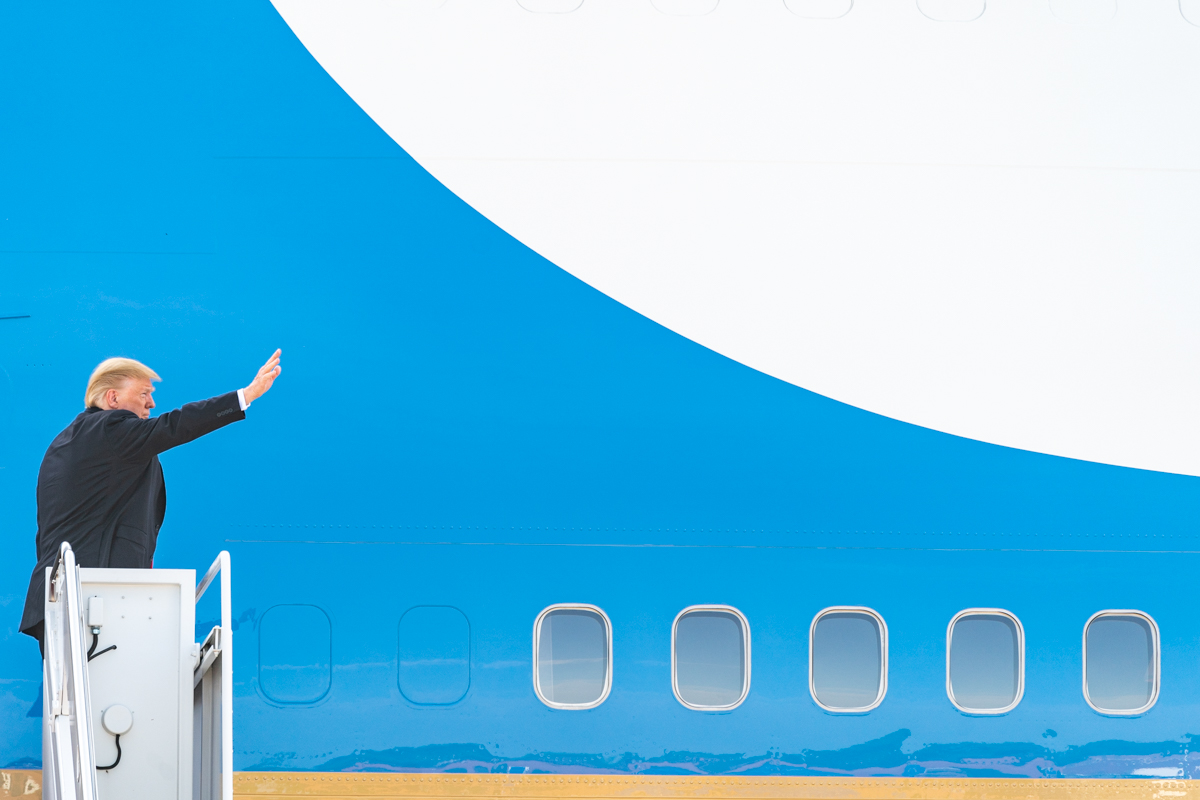


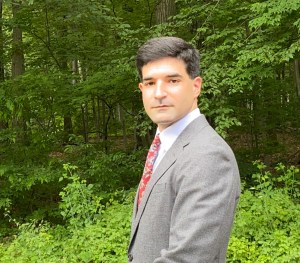
The Air Line Pilots Association (ALPA) on Thursday came out against President Donald Trump’s nominee to represent the U.S. on the council of the International Civil Aviation Organization (ICAO), former Delta Air Lines pilot Jeffrey Anderson.
The White House announced the president’s selection of Anderson this week alongside appointments to various other government agencies and diplomatic posts. Anderson’s nomination was referred to the U.S. Senate for consideration and an eventual confirmation vote.
The ICAO is a specialized agency of the United Nations that develops standards for international civilian air transportation. Headquartered in Montreal, it is governed by a 36-member council elected by a vote of the 193 member states every three years. The U.S. is on the ICAO council for the 2022-25 term, but the organization’s website shows a blank profile where the American representative should be.
ICAO attendance reports show the U.S. has been represented by “delegates” at recent organization meetings. A report from 2022 lists Andrew Veprek as an “alternate representative.”
The position was held by Chesley “Sully” Sullenberger, best known for safely landing a US Airways flight on the Hudson River in New York after a bird strike, between February and July 2022 following a nomination from then-President Joe Biden.
Contentious Candidate
In a statement, ALPA said Anderson is not qualified to represent the U.S. at the ICAO and was picked by Trump for political reasons.
“Unlike the last Senate confirmed ICAO ambassador, [Captain] Sully Sullenberger, Mr. Anderson fails the basic experience and qualifications test and could set back America’s aviation leadership for years to come,” the union said in a statement. “In fact, it appears that Mr. Anderson’s only real qualification for the post is his support of a position—raising the mandatory pilot retirement age—that would leave the United States as an outlier in the global aviation space and create chaos on pilot labor, and international and domestic flight operations.
“Mr. Anderson would be advocating on the world stage based on his personal interests, contrary to policy that was settled in last year’s FAA Reauthorization. We urge the United States Senate to reject this nominee.”
ALPA and other unions mobilized last year to counter a push by some members of Congress to raise the mandatory retirement age for pilots in the U.S. from 65 to 67, a move supported by some older pilots and regional airlines. Backers contend the adjustment would allow healthy and experienced pilots to continue working while expanding the labor pool, but ALPA and its allies raised concerns about safety and the integrity of existing collective bargaining agreements.
Separately, the FAA told Congress not to raise the retirement age until it has time to study the issue.
The FAA Reauthorization Act, ultimately signed into law by Biden in May 2024, did not change the age limit.
In a statement provided to Reuters, the White House defended Anderson’s nomination, pointing to his past service as a naval aviator and his decades of experience with Delta.
“[Anderson] will deliver on President Trump’s vision of aviation safety for the American people at ICAO,” the White House said.
Trump administration officials and appointees have spoken positively about loosening some requirements for positions in the airline industry.
During a Senate confirmation hearing in June, former Republic Airways CEO Bryan Bedford, then nominee for FAA administrator, called the mandatory pilot retirement age “arbitrary.”
“We had a of debate on the merits of it, which are, I think, pretty clear that we have really experienced pilots that still have a lot of gas in the tank…and a lot of mentoring that they can bring to the table for the younger workforce that we’re developing for the future,” Bedford said.
Bedford pointed out that because 65 is the cutoff age used by most countries, an upward adjustment would require international cooperation. For that reason, he said the ICAO is “very critical” to raising the retirement age.
Bedford was confirmed as FAA administrator by the Senate on July 9.

