











Expectations can force the eye to see what the mind wont parse. My lesson in this human frailty occurred when I was taking an end-state instrument student out into some real weather, which he had been pestering me do for weeks. The trip was a short one, from a central Connecticut airport, across Long Island Sound to Islip, then Westhampton Beach and back home again. A nice easy 90 minutes with four or five approaches. The weather was horrid, but perfect for IFR training. A late-winter warm front had moved in over the still snow-covered ground 288
Expectations
Expectations can force the eye to see what the mind wont parse. My lesson in this human frailty occurred when I was taking an end-state instrument student out into some real weather, which he had been pestering me do for weeks. The trip was a short one, from a central Connecticut airport, across Long Island Sound to Islip, then Westhampton Beach and back home again. A nice easy 90 minutes with four or five approaches. The weather was horrid, but perfect for IFR training. A late-winter warm front had moved in over the still snow-covered ground to produce uniform ceilings of 300 to 500 feet in a couple of miles of viz. Tops were widely reported at 3000 feet and since Id seen these exact conditions before, I knew what to expect. Link one: The lesson was a rushed after-work affair and I was pushing to get it done before full dark. I dont mind night IFR, but not in a Cherokee with no backup vacuum, thanks. We slammed together a briefing, filed a flight plan, got into the airplane and picked up a clearance while the engine warmed.

Key Takeaways:
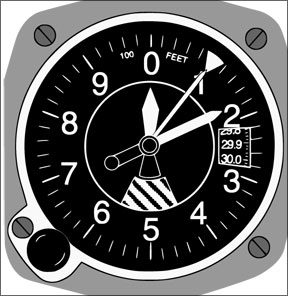
- An instructor and student flying IFR in poor weather nearly crashed due to a critically misset altimeter, putting them significantly lower than they believed.
- Despite numerous warning signs, such as rapid altitude gain and ATC questioning their reported altitude, the pilots dismissed them due to confirmation bias and pre-existing assumptions.
- The altimeter was discovered to be a full inch too high, and they narrowly avoided an accident due to coastal geography rather than proper procedure.
- The incident underscores how human expectations and confirmation bias can override safety checks and checklists, making luck an unexpected factor in preventing disaster.
Key takeaways sponsored by Aviator Pro | Start Your Training ->
See a mistake? Contact us.

