











I am a student pilot with about 60 hours total time split between a Beech Mentor T-34C, Cessna 172 and my just-purchased personal plane, a Beech Musketeer. I had flown about 20 hours with a CFI in the few months preceding my story, in both a 172 and the Musketeer. I had four flights for a total of about eight hours in the Musketeer. 288
…doesnt feel right…
I am a student pilot with about 60 hours total time split between a Beech Mentor T-34C, Cessna 172 and my just-purchased personal plane, a Beech Musketeer. I had flown about 20 hours with a CFI in the few months preceding my story, in both a 172 and the Musketeer. I had four flights for a total of about eight hours in the Musketeer. On the fateful flight, we took off normally in marginal VMC conditions. The smoke from several brushfires had cut visibility down to about three to four miles. We had an easy and uneventful flight with a normal takeoff, several ground reference maneuvers, a little GPS familiarization, stalls and slow flight. Nothing was out of the ordinary and the aircraft performed well.

Key Takeaways:
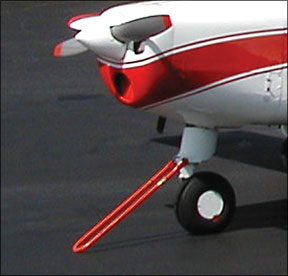
- A student pilot, relatively new to his Beech Musketeer, experienced a stall and nosewheel damage during a touch-and-go landing, despite his instructor's positive feedback on the approach.
- The pilot repeatedly sensed that the approach "didn't feel right" but hesitated to take corrective action like adding power, partly due to the instructor's reassurances.
- The key takeaway emphasizes the critical importance of trusting one's gut feeling in aviation and immediately taking assertive action, such as applying power to avoid a low and slow approach, regardless of an instructor's presence or immediate guidance.
Key takeaways sponsored by Aviator Pro | Start Your Training ->
See a mistake? Contact us.

