













Register

Dealing With In-Flight Incapacitation

A pilot shares his experience missing the apparent warning signals.

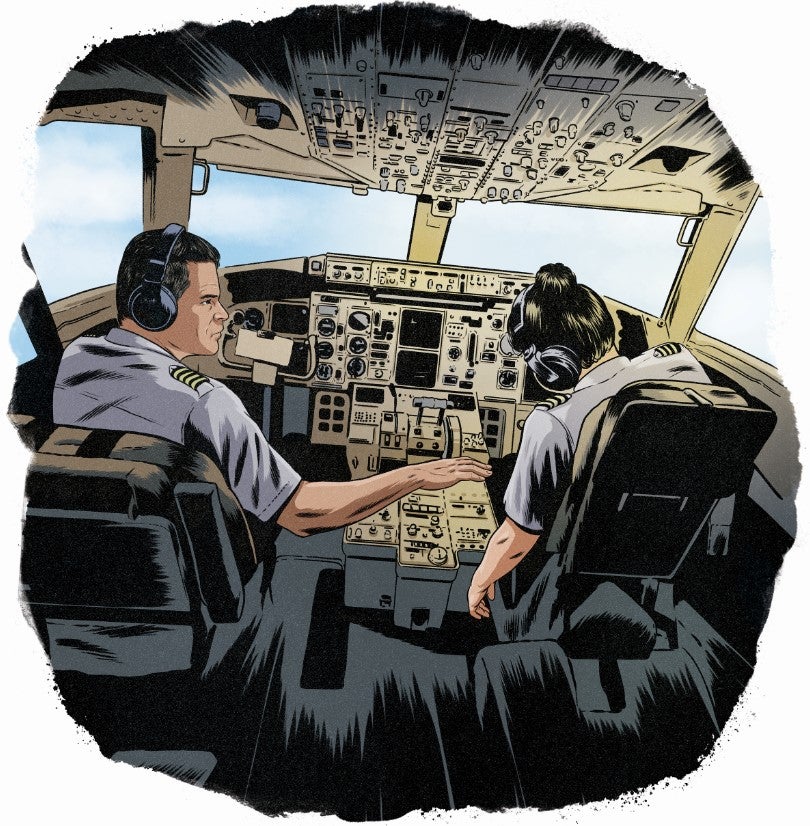
What do you do if a passenger or crewmember becomes incapacitated. It may have seemed to be a 'what-if' exercise. [Image: Joel Kimmel]
Gemini Sparkle

Key Takeaways:

  • Pilots must be vigilant for subtle behavioral or physical changes in crew members or passengers, as early detection of distress signals (e.g., fatigue, lack of appetite, unusual quietness) can be crucial in preventing an in-flight incapacitation emergency.
  • When faced with an incapacitated crew member, prioritize a structured emergency response by communicating immediately with ATC, carefully evaluating diversion options based on available medical and logistical support, and utilizing all aircraft automation (e.g., autopilot) to minimize workload during single-pilot operations.
  • Maintain clear and controlled communication with ATC and passengers, providing updates to instill confidence, and trust your training and judgment to manage the situation and safely land the aircraft.
See a mistake? Contact us.

Incapacitation. Webster’s Dictionary defines it as a “prevention from functioning in a normal way.”

What does that really mean, at least in flying? How do I recognize it? How do I respond? You may have discussed this topic with your flight instructor at some point in your training—what to do if a passenger or crewmember becomes incapacitated. It may have seemed to be a “what-if” exercise.


Terry Hand

Terry Hand is a former U.S. Marine Corps helicopter and instructor pilot. His current day job for a major airline requires a type rating in the Boeing 757/767.

Ready to Sell Your Aircraft?

List your airplane on AircraftForSale.com and reach qualified buyers.

List Your Aircraft
AircraftForSale Logo | FLYING Logo
Pilot in aircraft
Sign-up for newsletters & special offers!

Get the latest stories & special offers delivered directly to your inbox.

SUBSCRIBE