













Register

Course Reversal In IMC

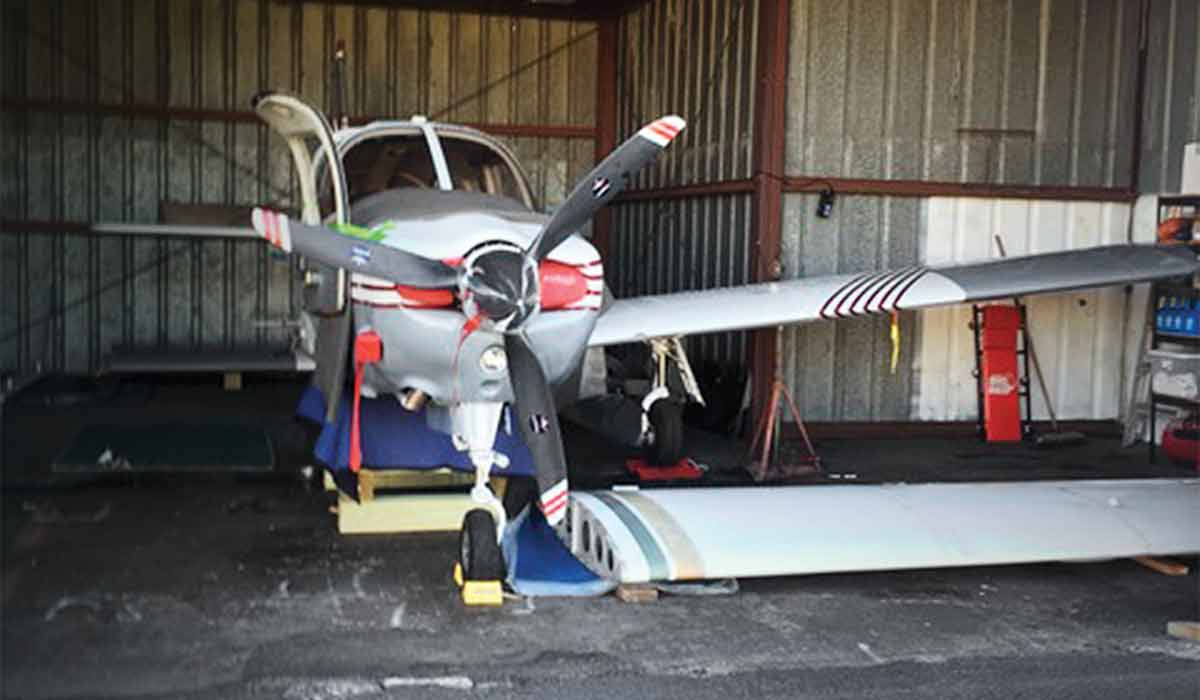
Before the Arrow's new owner could even turn a prop blade, he and a friend were blindsided by an unexpected problem. Les Abend
Gemini Sparkle

Key Takeaways:

  • The article stresses the critical importance of instrument flight training, especially proficiency in 180-degree course reversals by reference to instruments, for all pilots—particularly VFR pilots flying cross-country—to enhance risk management and prevent spatial disorientation in inadvertent IMC.
  • Current FAA regulations require only a minimal amount of instrument training for private pilots, with no mandate for recurrent practice, which can lead to a dangerous decline in skills for VFR pilots who fly beyond local areas.
  • A fatal accident involving a non-instrument-rated pilot who likely lost control due to spatial disorientation in IMC during a course reversal, and had not obtained a weather briefing, exemplifies the severe consequences of this training gap.
  • It is strongly recommended that flight instructors and VFR pilots prioritize regular practice of instrument maneuvers like the 180-degree course reversal during flight reviews, and always secure thorough weather briefings for safe cross-country operations.
See a mistake? Contact us.

We’ve long maintained that one of the best ways for a pilot to enhance his or her aviation risk management is to earn and use the instrument rating. This is especially true if the pilot in question has plans to use their pilot certificate for transportation on anything resembling a schedule. That’s because the skills, knowledge and experience gained by earning the rating simply help make any flight beyond an airport’s immediate environs more predictable and less risky.

A distant cousin, twice-removed, of the instrument rating is the 180-degree course reversal using the flight instruments alone. Current FAA regulations require every private pilot to have three hours of simulated instrument time before certification, to include “straight and level flight, constant airspeed climbs and descents, turns to a heading, recovery from unusual flight attitudes” and navigation/communication skills. To us, that’s pretty much a bare minimum of instrument training if you plan to travel; it’s probably sufficient if you plan to use the certificate only in good VFR near the departure airport.


Ready to Sell Your Aircraft?

List your airplane on AircraftForSale.com and reach qualified buyers.

List Your Aircraft
AircraftForSale Logo | FLYING Logo
Pilot in aircraft
Sign-up for newsletters & special offers!

Get the latest stories & special offers delivered directly to your inbox.

SUBSCRIBE