



The American aviation industry is at a crossroads. We can either choose to embrace the future and unleash American innovation, or we can maintain the status quo and allow other nations, including our foreign adversaries, to surpass us as the world’s leader in aviation.
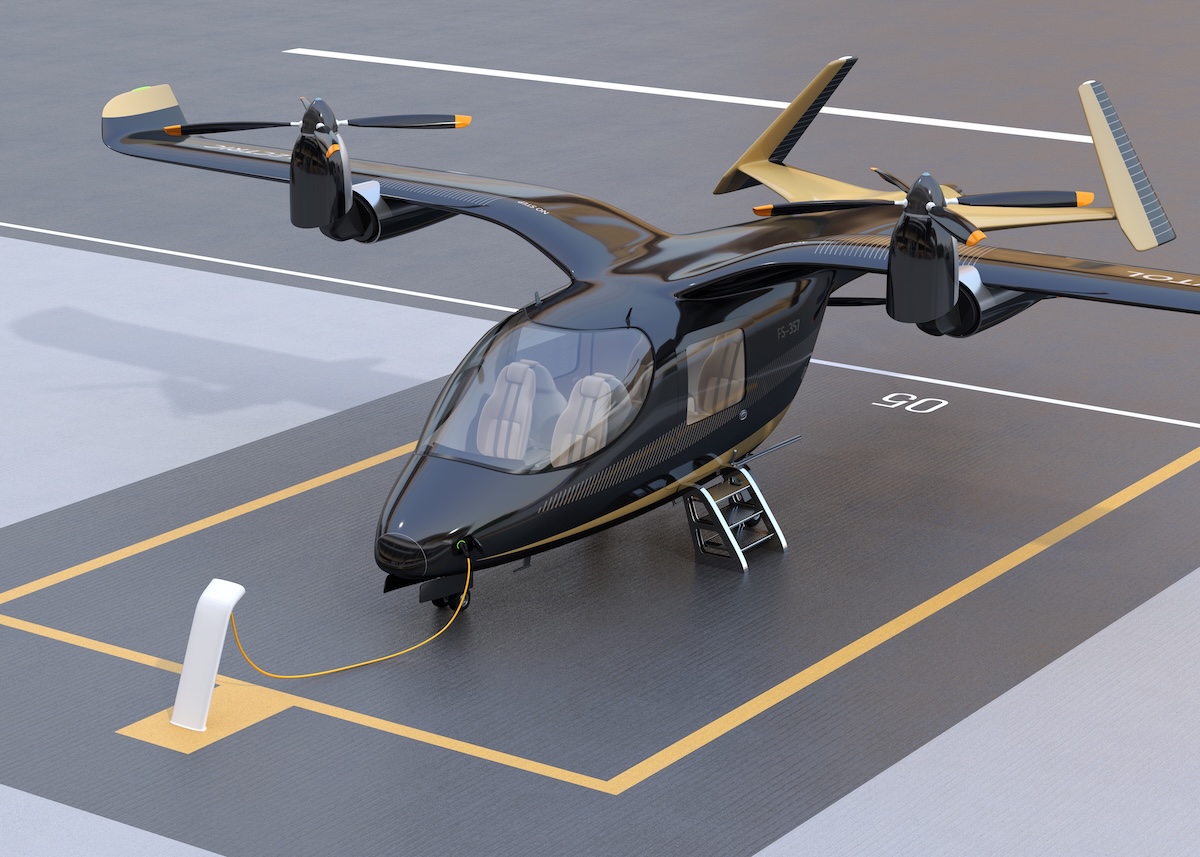
Advanced air mobility (AAM) has the potential to redefine how we transport passengers and cargo in ways that traditional aviation cannot. While electric vertical takeoff and landing (eVTOL) powered-lift aircraft can reshape America’s aviation industry, not a single eVTOL aircraft has received full FAA type certification yet, despite many key industry leaders attempting to do so.
You might be wondering why.
The current FAA certification process for new AAM aircraft is a multiyear evaluation process that can take between five and nine years, with little transparency on the aircraft’s status in the process. The current process is hindering America’s ability to grow and potentially lead the world in advanced aviation. It’s long past time to bring this process into the 21st century to allow new aircraft to enter our skies safely and responsibly.
On the other hand, China has moved aggressively in the AAM sector, launching early commercial passenger services and achieving regulatory milestones that position it at the forefront of deployment. Companies like EHang have already conducted autonomous passenger flights and advanced toward commercial operations.
To the FAA’s credit, the U.S. has recently taken meaningful steps forward. The Department of Transportation and the FAA’s Electric Vertical Takeoff and Landing Integration Pilot Program (eIPP) represents a critical bridge between innovation and real-world deployment. By partnering with state and local governments, industry leaders, and communities, eIPP is doing what Washington often struggles to do: turning policy into practice.
While I am pleased with the rollout of eIPP, we must also clearly address the certification process that is jeopardizing America’s role as the world’s leader in aviation. Today’s certification process, while grounded in a vital commitment to safety, is not built for the speed or complexity of emerging technologies. For innovators, that uncertainty can be as challenging as the timeline itself. For the United States, it risks ceding leadership in a sector we helped create.
In order to ensure America remains the world’s gold standard in aviation, I’m championing the bipartisan Aviation Innovation and Global Competitiveness Act in the United States House of Representatives. My legislation would enhance transparency, predictability, and accountability during the FAA’s type certification process for AAM aircraft, helping American companies succeed and cement the United States’ role as the global leader in aviation.
The United States has always been a leader in flight and cutting-edge aviation technology, but we’re at risk of losing that edge. With global events like the 2026 FIFA World Cup and the 2028 Summer Olympics on the horizon, the world will be watching how the United States moves people at scale. We should be showcasing the future of flight and not be explaining why it’s still stuck in the certification process. The United States has always led the world in aviation. Not by chance, but by choice. We led because we were willing to innovate, to adapt, and build systems that matched the ambition of our engineers and entrepreneurs.
Now we face that choice again.
We can either clear the runway by modernizing the certification process, scaling integration through programs like eIPP and empowering American companies to lead, or we can remain grounded while others take flight.
Editor’s note: The views and opinions expressed in this article are those of the author and do not necessarily reflect the official policy or position of FLYING.