













Register

Boom: Is This the Resurrection of Supersonic Travel?

Concorde was a beautiful airplane, but the world did not hurry to replace it.

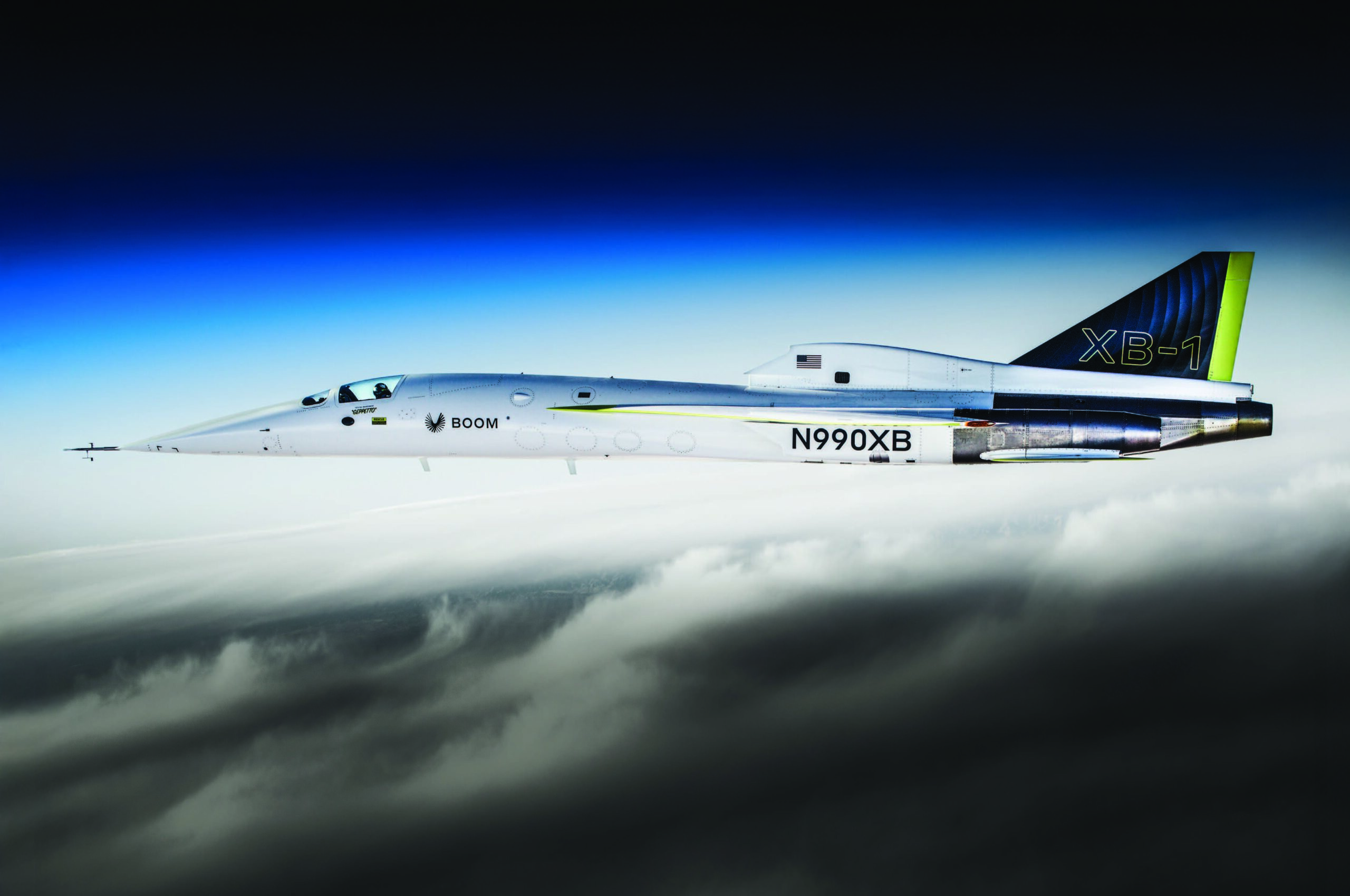
Boom Supersonic's goal is to design and manufacture a supersonic airliner, which it calls Overture. [Courtesy: Boom Supersonic]
Gemini Sparkle

Key Takeaways:

  • Boom Supersonic is developing Overture, a new supersonic airliner, having successfully flown its XB-1 demonstrator and achieved "boomless cruise" to mitigate sonic booms.
  • The company aims to overcome the primary historical challenge for supersonic flight—the disruptive sonic boom—which led to flight bans and limited the Concorde's viability.
  • Boom believes its Mach 1.7 Overture can be economically competitive with subsonic flights, despite inherent drag, by utilizing "boomless cruise" over land and leveraging speed dividends.
  • Significant hurdles remain, including an ambitious 2030 service target, complex certification for a new aircraft type, and the demanding development of a new proprietary engine called Symphony.
See a mistake? Contact us.

Blake Scholl’s is a familiar Silicon Valley story. He graduated from Carnegie Mellon University in computer science, worked at Amazon and Groupon, among others, and in 2014 sold a startup he had developed. An instrument-rated private pilot and flight enthusiast, he used the proceeds to create, with two partners, a new company, which they named Boom Technology. The company does business under a less generic and more dramatic name: Boom Supersonic. 

The none-too-modest aim of Boom Supersonic is to design and manufacture a supersonic airliner, which it calls Overture. Early this year, Boom successfully passed Mach 1 with a one-third scale demonstrator called XB-1. Boom boasts that XB-1 is the first privately developed jet to break the sound barrier. (Privately developed rocket planes, like Burt Rutan’s SpaceShipOne, did so previously.) In its brief supersonic flights, XB-1 also provided a practical demonstration of so-called “boomless cruise.”

Peter Garrison

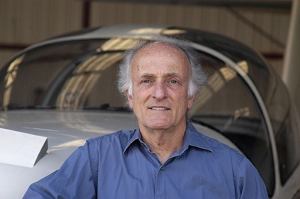
Peter Garrison taught himself to use a slide rule and tin snips, built an airplane in his backyard, and flew it to Japan. He began contributing to FLYING in 1968, and he continues to share his columns, ""Technicalities"" and ""Aftermath,"" with FLYING readers.

Ready to Sell Your Aircraft?

List your airplane on AircraftForSale.com and reach qualified buyers.

List Your Aircraft
AircraftForSale Logo | FLYING Logo
Pilot in aircraft
Sign-up for newsletters & special offers!

Get the latest stories & special offers delivered directly to your inbox.

SUBSCRIBE
