
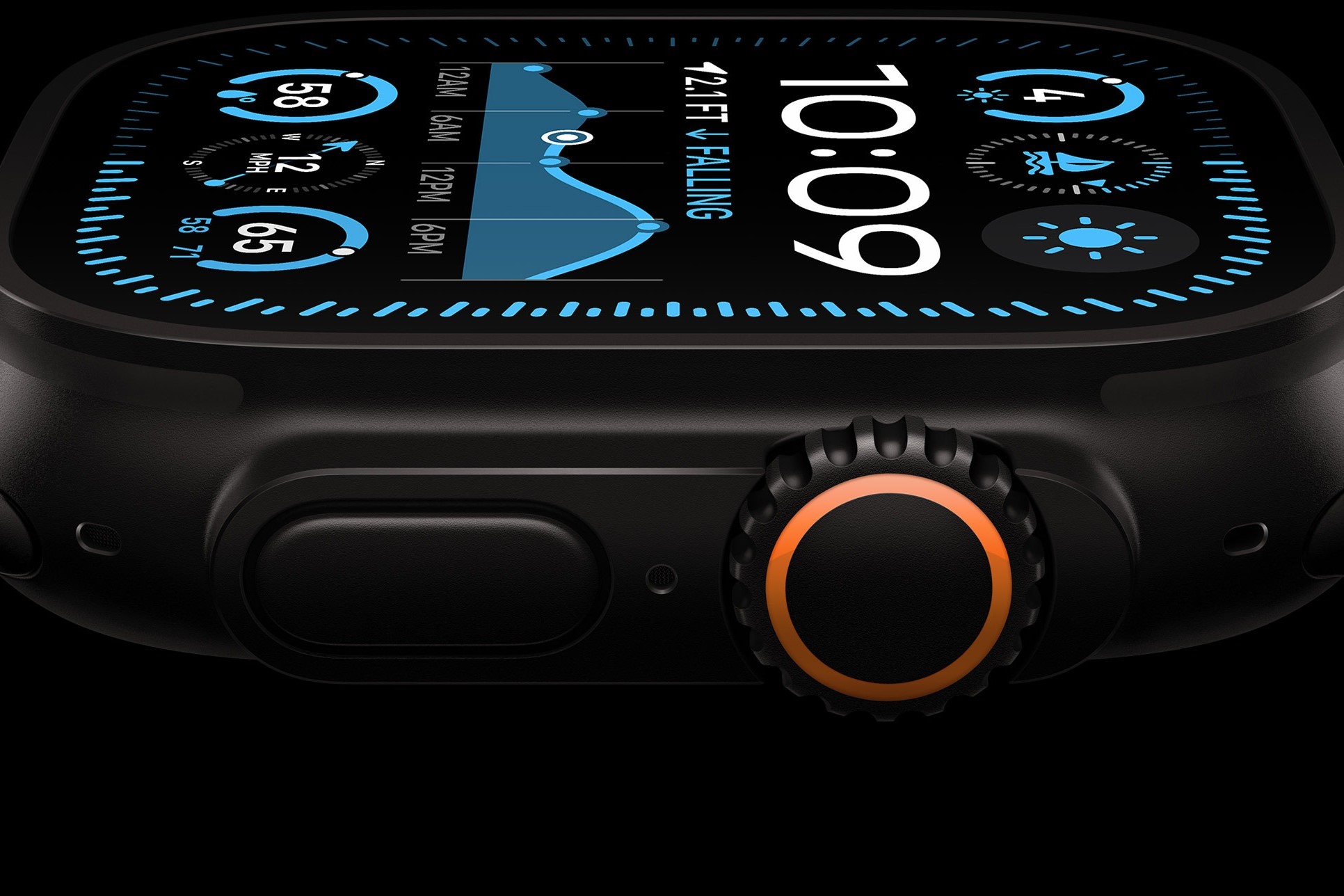


When selecting a smartwatch, pilots have several Apple Watch models to consider, each offering a different balance of features, battery life, and price. The choice often depends on whether a pilot seeks a convenient daily watch with some aviation benefits or a more integrated flight tool.
The Apple Watch is a popular choice among pilots interviewed at airports, as they value its convenience for tasks like automatically tracking time zones.
All recent Apple Watch models provide built-in features useful in the cockpit. The internal GPS and compass can serve as a backup navigation tool, while the timer app provides haptic feedback, a subtle wrist vibration for alerts.
Pilots can use the GMT watch face, which shows the current Zulu hour via a separate red hand, and a built-in flashlight function has a red-light mode that helps preserve night vision.
Here is a look at the Apple Watch models available today:
Apple Watch SE
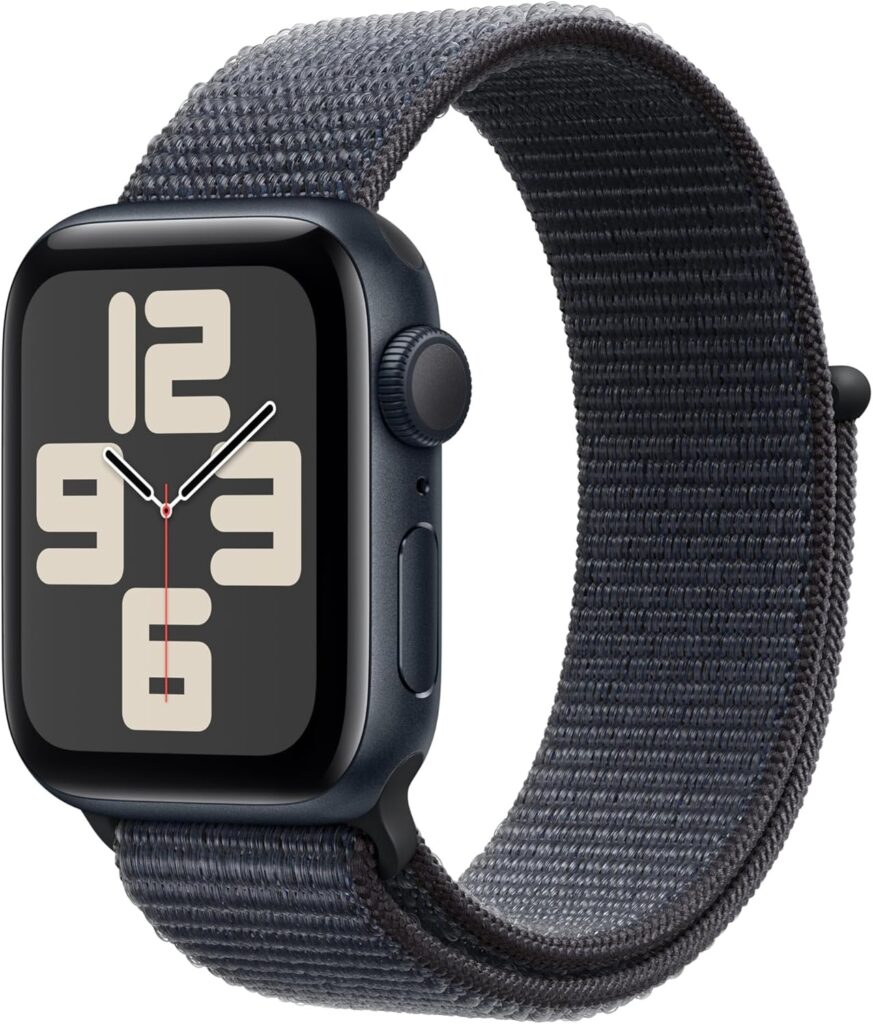
The Apple Watch SE serves as a practical choice for pilots who primarily want a device to interface with their iPhone.
A pilot on a Reddit forum described looking for a watch to see basic information like notifications, airline flight data, and GMT on the watch face without having to pull their phone out of their pocket. The SE handles these tasks, automatically knowing what time zone it’s in and allowing users to receive and reply to notifications from their wrist.
Apple Watch Series 10
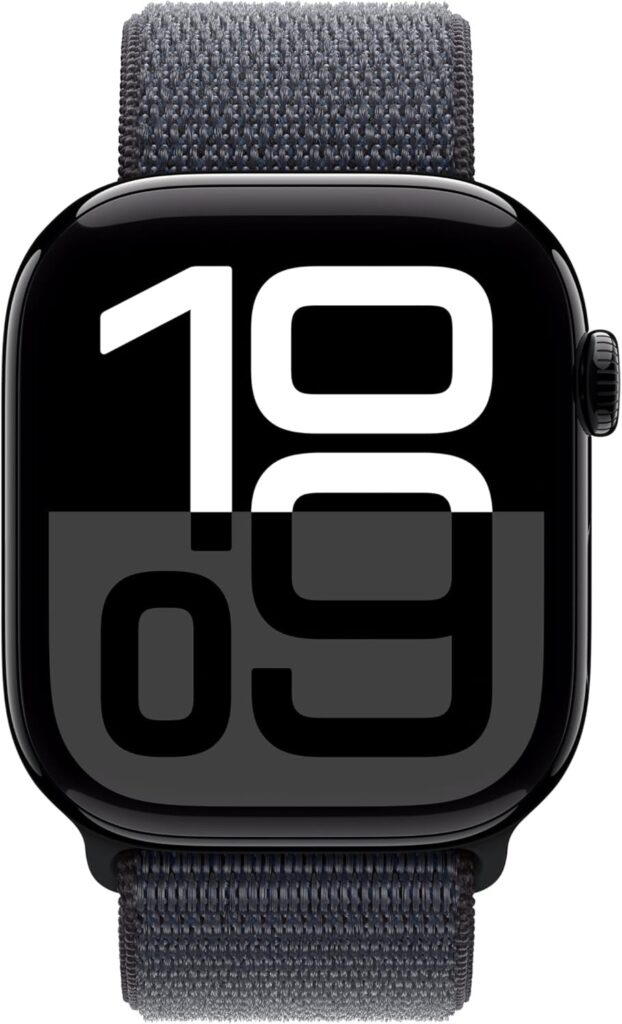
The latest standard model, the Apple Watch Series 10, was released in September and is described as thinner and lighter with a louder speaker and faster charging. It also has new underwater features and sleep apnea notification capabilities.
- READ MORE: Student Pilot Gear Checklist
The Apple Watch Series 7 was previously named the “best for active pilots who don’t need full integration,” a role the Series 10 now fills.
It’s worth noting a forum user with a Series 7 was hesitant to upgrade to the Series 8 because its battery was smaller. The Series 8 also introduced a Crash Detection feature that automatically notifies emergency contacts.
Apple Watch Ultra 2
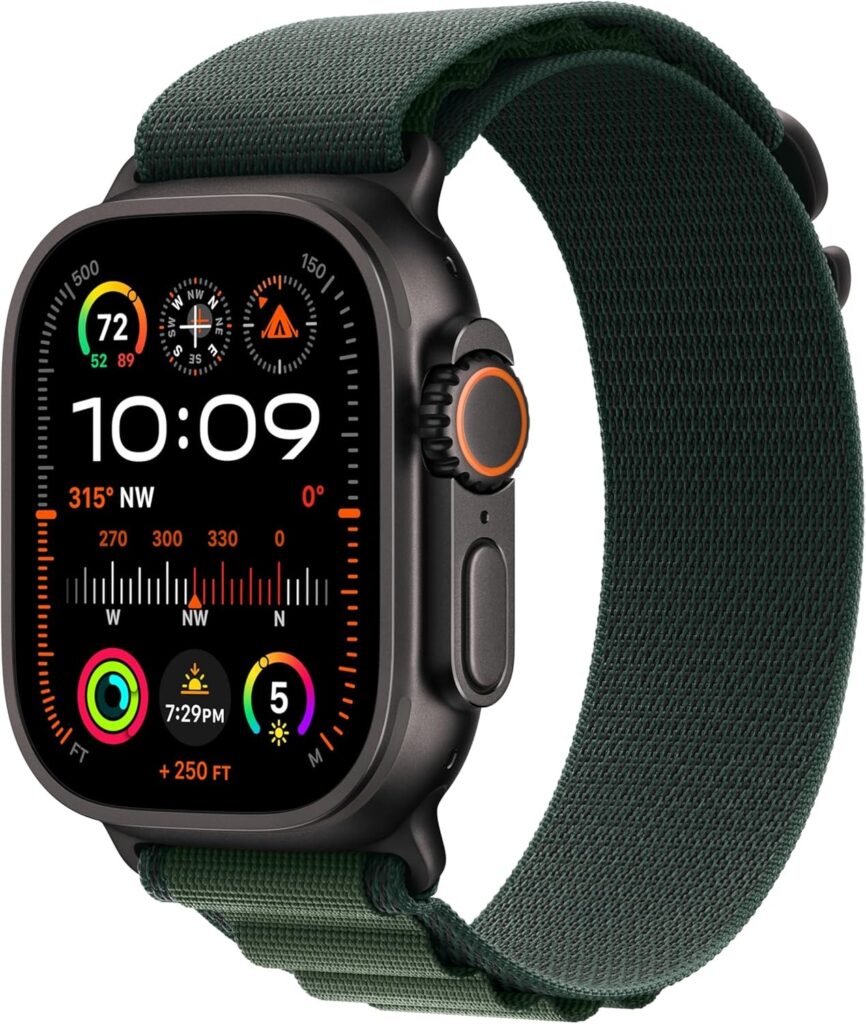
For pilots prioritizing durability and battery life, the Apple Watch Ultra 2 is a compelling, though more expensive, option.
A forum user tempted by the Ultra noted its bigger battery, larger display, and more rugged construction compared to standard models.
Another pilot interviewed at LaGuardia airport was seen wearing an “Ultra two Apple.” This model is designed for more demanding environments, making it suitable for the rigors of frequent travel and use in the cockpit.
- READ MORE: Gear To Buy When Purchasing a Plane
A significant consideration for pilots interested in health monitoring is the blood oxygen sensor. Due to an ongoing patent dispute, Apple Watches sold after January 18, 2024, no longer include this feature. The function will continue to work on models purchased before that date, such as the Apple Watch Series 6 and newer.
The utility of any Apple Watch is significantly expanded through third-party aviation apps. These apps can add “complications” to the watch face, providing glanceable information.
Apps like StationWeather Pro and MyRadar offer weather data, while ForeFlight displays airport information, though some users report its weather data can lag. For navigation and safety, the NRST app shows the distance to nearby airports, and Stratus Insight offers flight timers and digital checklists.
FAQ
What built-in Apple Watch features are useful for pilots?
All recent Apple Watch models offer several helpful features. These include:
- Internal GPS and compass: Can serve as a backup navigation tool.
- Timer app with haptic feedback: Provides subtle wrist vibrations for alerts.
- GMT watch face: Displays the current Zulu hour (Greenwich Mean Time) with a dedicated hand.
- Built-in flashlight (with red-light mode): Helps preserve night vision in the cockpit.
- Automatic time zone tracking: Conveniently updates to local time, keeping you on schedule across different time zones.
How do third-party aviation apps enhance the Apple Watch for pilots?
Aviation-specific apps can provide glanceable information at a moment’s notice. Examples include:
- Weather apps (e.g., StationWeather Pro, MyRadar): Offer quick access to METARs, TAFs, and other weather data.
- Navigation and safety apps (e.g., ForeFlight, NRST, Stratus Insight): Can display airport information, show distances to nearby airports, provide flight timers, and offer digital checklists.
Which Apple Watch model is best for basic iPhone integration and notifications?
The Apple Watch SE is a practical and cost-effective choice for pilots who primarily want a device to interface with their iPhone. It excels at displaying notifications, airline flight data, and GMT on the watch face without needing to pull out your phone.
What’s new with the Apple Watch Series 10, and is it a good choice for active pilots?
The Apple Watch Series 10 (released September 2024) is a thinner, lighter standard model with a louder speaker and faster charging. It builds upon previous Series models by offering a good balance of features for active pilots who desire more integration than the SE but might not need the extreme durability of the Ultra. It also includes features like sleep apnea notifications and Crash Detection.
For pilots who prioritize durability and battery life, which Apple Watch is recommended?
The Apple Watch Ultra 2 is the top choice for pilots needing exceptional durability and extended battery life. It features a larger, brighter display and a more rugged construction, making it ideal for demanding environments and frequent travel. It also offers the longest battery life of the Apple Watch lineup.
Can I use the Apple Watch for primary navigation in the cockpit?
While the Apple Watch’s built-in GPS and compass can serve as valuable backup tools, it is not designed or certified as a primary navigation instrument. Always rely on certified aircraft instrumentation for flight navigation.
FLYING may earn revenue from the products available on this page and participate in affiliate programs.