Aviation Safety

March 1, 2013, Broomfield, Colo., Aero Commander 500-B

At about 1545 Central time, the airplane experienced a loss of power to both engines after takeoff and its pilot performed a gear-up forced landing to a golf course. The airline transport pilot and one passenger were not injured. The airplane sustained substantial damage. Visual conditions prevailed.

Read More »

March 9, 2013, Woodinville, Wash., Maule M-5 Strata Rocket

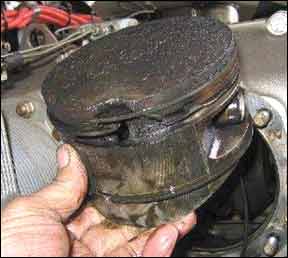
The airplane was substantially damaged at about 1445 Pacific time when it impacted a residential house following a loss of control while maneuvering at low altitude. The private pilot sustained fatal injuries; the single passenger was seriously injured. Visual conditions existed for the local flight. One witness reported observing the airplane circling at low altitude. A second witness heard a pop sound, then a puff or a sputter and then nothing. The main wreckage was partially inside the garage of a residential home. The airplane initially impacted a van parked on the west side of the home’s driveway with its left wing.

Read More »

One Trip, Two Surprises

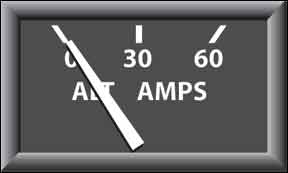
I am a newly certified private pilot with 100 hours in a Cessna 172 Skyhawk. My Learning Experience took place March 3, 2013, on a relatively short flight from New Hudson, Mich., to Flushing, also in Michigan. Looking back, I should have immediately recognized the telltale signs of an electrical problem, but didn’t. The first sign of trouble came shortly after takeoff when the number 2 comm radio failed. I copied the frequencies down and transferred them to the number 1 radio, then turned it off.

Read More »

Struts, Screws, Skins

Nose strut debonded at nose fork bearing spindle. Spindle and strut are bonded via a hot-bond agent while in autoclave. Suspect debonding occurred due to unreported hard landings and extreme stress due to improper ground handling.

Read More »

Aiming To Please

Anyone who’s spent much time using a personal airplane for transportation has—at least once—found themselves disoriented when maneuvering to land at an unfamiliar airport. Among the challenges can be picking out the right runway, especially if there are multiple choices. Operations into strange-to-us airports can generate lots of confusion. That’s especially true when the runway configuration isn’t what we’re used to. An example might involve someone accustomed to a single runway who suddenly must cope with intersecting pavement, or where two runway thresholds are adjacent to each other, even though they’re oriented approximately 90 degrees apart.

Read More »

Using A Flight-Risk Assessment Tool

It’s impossible to deny the importance of risk management in maintaining safe flight operations. Accident data consistently show the root cause of some 75 percent of general aviation’s fatal accidents is the pilot’s poor or non-existent risk-management skills. Whether they were never properly trained to consider the consequences of their decisions, didn’t understand those consequences or minimized their importance, we’ll never know. But we do know that a large proportion of them could have been prevented if the accident pilots had performed even minimal analysis of the risks presented by their proposed flight.

Read More »

From TOD, To MAP And Beyond

Your instrument training was all about the physical tasks of flying approaches, missed approaches and holds. Your CFII didn’t spend a lot of time on en route descents, or an efficient way to get prepared for those close-in, “slam-dunk” procedures…you’d pick up all that with experience flying “in the system” after passing your instrument check ride. At least that was the unspoken understanding. Trouble is, you’ve been flying IFR for a while, even completing a couple of instrument proficiency checks since passing the practical test, but those quick IPCs focused on the same terminal procedures you’ve been flying since your instrument training began, and you’re starting to wonder if there’s an easier, more efficient, better way to get from cruise altitude to the ground.


Read More »

Crosswind Considerations

Like debates on high-wing versus low, discussions of “proper” crosswind techniques stand among those topics that split pilot opinions. Roughly speaking, it’s long seemed that aviators maintain membership in one of three groups: One group favors flying crabbed approaches and departures. Another insists the wing-low, upwind-gear-first technique works best. The final group recognizes values in both and offers an answer often irritating to members of the other two groups: It depends, they say. Pilots should be competent enough to embrace either solution to crosswind transitions, employing the technique best for the time, the place and the aircraft.

Read More »

Sequestered 2.0

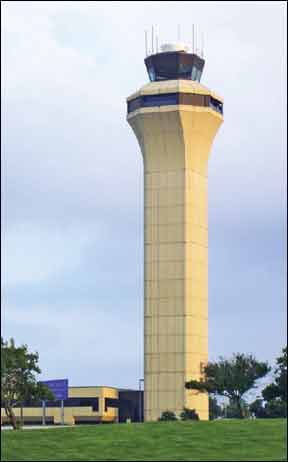
Last month in this space, I discussed the FAA’s plans to close scores of control towers around the country as part of its reaction to ongoing, manufactured federal budget crises. On April 5, two days before the first round of tower closures was scheduled and as this issue was being finalized, the FAA suddenly announced it would “delay the closures of all 149 federal contract air traffic control towers until June 15.”

Read More »
Pilot in aircraft
Sign-up for newsletters & special offers!

Get the latest stories & special offers delivered directly to your inbox.

SUBSCRIBE