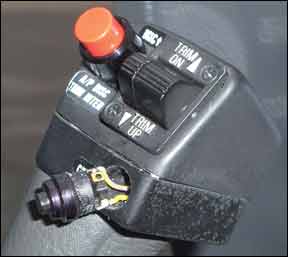
In 1984, after some 15 years flying mostly single-engine Cessnas and a Mooney 231, I bought a three-year-old Cessna 340 to handle my increasing number of business trips. I had noticed the 340’s autopilot did not always engage properly; the button was a little sticky and sometimes I had to push it pretty hard to get it to work. One business trip had me in Princeton, N.J., on a day with a low overcast. During the meeting, I kept looking out the window at the sky as the ceiling lowered below my comfort minimums.
Verified
Key Takeaways:
A pilot experienced a near-catastrophe after taking off in low visibility when his known-faulty autopilot failed to engage, leading to a dangerous uncommanded bank and dive before he manually regained control.
The incident occurred because the pilot, under pressure from a business trip, flew in marginal weather and released controls before confirming the autopilot's engagement, despite its sticky button.
The author stresses that non-professional pilots should avoid flying for business due to the pressure it creates, and always confirm autopilot engagement while continuously monitoring automation.
In 1984, after some 15 years flying mostly single-engine Cessnas and a Mooney 231, I bought a three-year-old Cessna 340 to handle my increasing number of business trips. I had noticed the 340’s autopilot did not always engage properly; the button was a little sticky and sometimes I had to push it pretty hard to get it to work.
288
CREATE A FREE ACCOUNT
Sign up to keep reading
Create a free account to continue. Already a member? Sign in below.