













Airlines Forced to Get Creative With Parts Due to Supply Chain Crisis

Some newer aircraft are being torn down for parts.

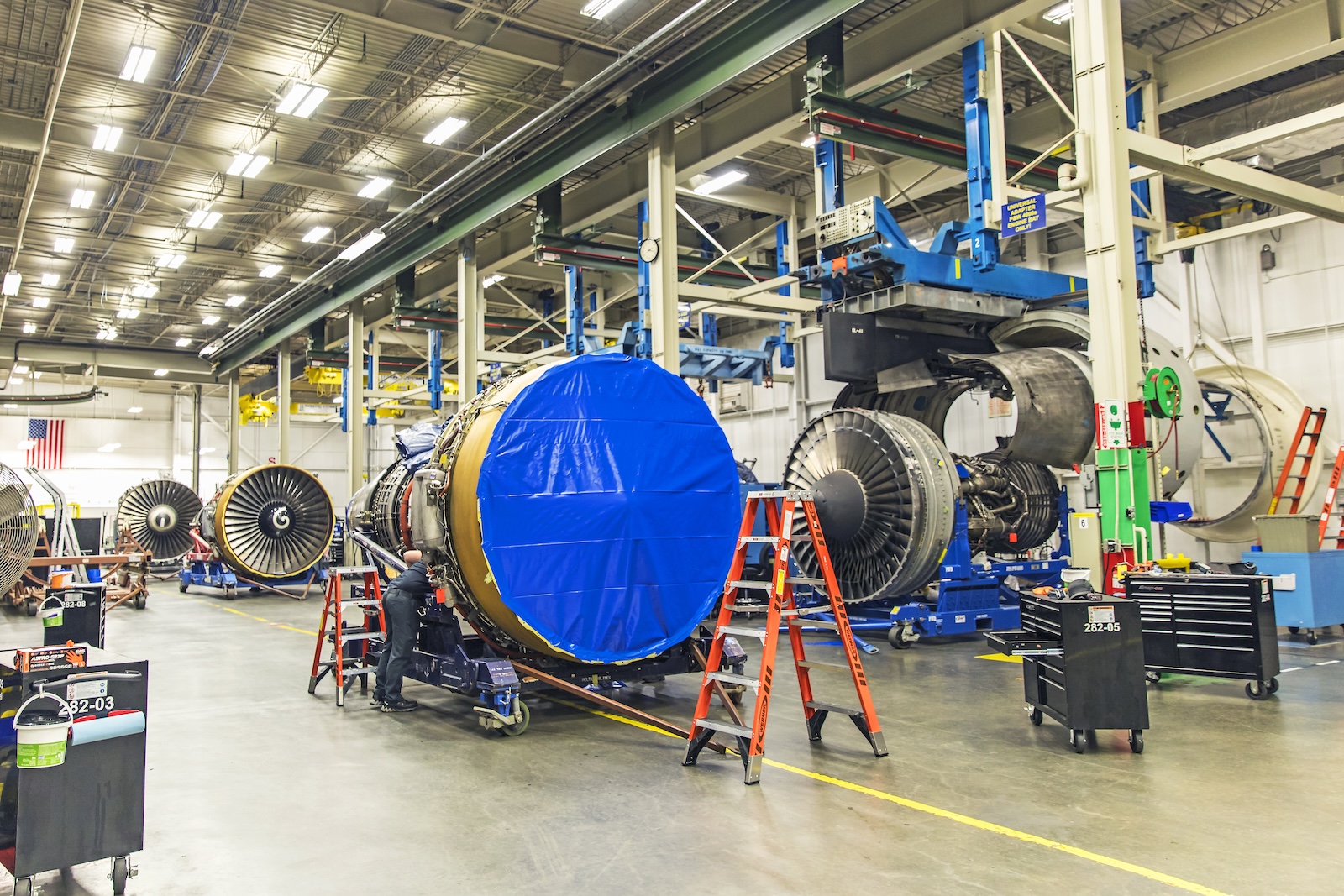
Delta TechOps in Atlanta [AirlineGeeks/William Derrickson]
Gemini Sparkle

Key Takeaways:

  • The commercial aviation industry is grappling with a severe supply chain crisis, leading to critical spare parts shortages that force innovative solutions like dismantling newer aircraft (e.g., an A220 for parts due to engine issues).
  • This crisis is intensified by significant production backlogs for new aircraft, compelling airlines to extend the operational life of their existing fleets and increasing demand on maintenance services.
  • The maintenance, repair, and overhaul (MRO) sector is strained by heightened demand, compounded by skilled labor shortages, prolonged maintenance times, and material shortfalls exacerbated by geopolitical disruptions.
  • Despite these challenges, the unprecedented supply-demand imbalance could reshape market dynamics and potentially boost airline profitability through optimized operations, though broader economic and geopolitical uncertainties remain.
See a mistake? Contact us.

The commercial aviation industry is navigating a serious supply chain crisis, leading airlines and aircraft lessors to adopt innovative strategies to maintain operational readiness.

Recently, aircraft lessor Azorra partnered with Delta Material Services (DMS) to dismantle an Airbus A220-300 for spare parts, marking the first such occurrence for this relatively new aircraft model. Although dismantling modern aircraft is uncommon, this situation underscores the severity of the ongoing component shortage.


At the heart of the crisis are persistent issues concerning Pratt & Whitney’s PW1500G engines, widely used in the Airbus A220 fleet. These engines, despite their efficiency, have faced frequent reliability concerns, resulting in numerous inspections and prolonged maintenance periods. With multiple aircraft grounded due to such complications, the demand for available spare engines and parts has grown significantly.

Beyond specific engine-related challenges, manufacturers are experiencing dramatic backlogs in aircraft production, intensifying constraints across the sector. According to Alton Aviation Consultancy’s latest analysis, narrowbody aircraft—which are the backbone of airlines’ short- and medium-haul services—now face delivery delays of nearly a decade.

Moreover, widebody aircraft production has also slowed, leaving airlines facing waits of seven to eight years for new deliveries. In turn, airlines have been compelled to adjust fleet strategies, opting to extend the useful life of existing aircraft to cope with prolonged delivery timelines.

The MRO Impact

This extension of aircraft lifespans has directly impacted the maintenance, repair and overhaul (MRO) industry, resulting in significantly heightened demand precisely as MRO providers themselves face severe operational constraints. Skilled labor shortages remain a central challenge as many technicians exited aviation during the pandemic and have not returned, creating a workforce gap that could take years to mend.

Training new aviation maintenance personnel is a long process, and the marked increase in maintenance requirements has overwhelmed existing capacities, prolonging maintenance downtimes substantially. These challenges extend maintenance downtime significantly and complicate securing aircraft parts to keep these aged aircraft flying safely.

Exacerbating these operational delays are shortages in essential aerospace materials like titanium, a situation driven largely by geopolitical disruptions in traditional supplier regions. Sanctions on primary exporters like Russia have forced manufacturers to seek alternative suppliers, leading to procurement challenges and increased costs. Given these constraints, airlines and lessors are increasingly exploring unconventional solutions, like the recent A220 dismantling, to temporarily alleviate these mounting pressures by repurposing valuable components.

Despite the challenges, industry observers also recognize potential opportunities created through these constraints. Avolon, one of the world’s largest aircraft leasing firms, has stated that the unprecedented disparity between supply and demand will likely reshape aviation market dynamics over the next decade.

Supply deficits could bolster airline profitability, especially if carriers concentrate efforts on their most profitable route networks and achieve optimal fleet utilization amid capacity limitations. According to Avolon’s analysis, net airline profits could rise as much as 16%, reaching approximately $36 billion by 2025.

Yet the broader economic environment remains uncertain. Typical economic recovery cycles last four to six years, and the current expansion is already well into its fifth year, suggesting potential economic downturn risks. Europe’s economic growth is showing early signs of stagnation, and broader geopolitical instability introduces additional volatility.

Former Go First A320neo {Courtesy: Unical Aviation]

Keller Laseter

Bringing over 10 years of aviation experience and multiple years in finance, Keller Laseter combines both of those skills to be FLYING Finance’s CCO. His leading knowledge in all categories and classes of fixed wing aircraft helps guide you through the finance process with ease and will leave you knowing you’re in great hands. Keller holds type ratings in the Beechjet 400A/XP/NXT, Embraer E-175 and has many hours in King Airs, along with other high-performance aircraft. Throughout his career, he’s had the opportunity to enjoy the world of aviation and many different operations. As an ATP, CFI, and CFII, aviation is in his blood.

Ready to Sell Your Aircraft?

List your airplane on AircraftForSale.com and reach qualified buyers.

List Your Aircraft
AircraftForSale Logo | FLYING Logo
Pilot in aircraft
Sign-up for newsletters & special offers!

Get the latest stories & special offers delivered directly to your inbox.

SUBSCRIBE