













Register

The Next Big Thing

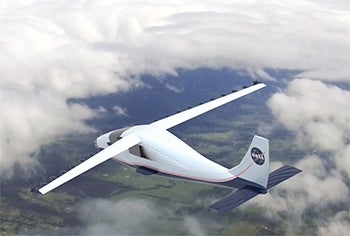
NASA's proposed "LEAPTech" demonstrator will use lots of electric motors to coax extra lift from a tiny wing.
Gemini Sparkle

Key Takeaways:

  • Electric motors offer roughly 90 percent energy efficiency and significantly lower hourly operating costs compared to combustion engines, though their practical range is severely limited by heavy, expensive battery systems.
  • To overcome weight penalties, researchers are exploring "distributed propulsion," using multiple small electric motors along the wing to drastically increase aerodynamic lift for takeoff and landing while enabling smaller, more efficient wings for cruising.
  • While electric propulsion enables innovative possibilities like short-distance On-Demand Mobility and VTOL aircraft, it introduces complex new challenges in wing aerodynamics, cabling weight, and structural loads.
See a mistake? Contact us.

Electric motors open a candy box of new possibilities to jaded aeronautical designers and researchers.

As with real candy, however, there is a problem of weight gain. The best commercial batteries today are 30 times heavier than their equivalent in fossil fuels. The $80,000 Tesla Model S sedan uses 1,300 pounds of batteries to store about 87 horse­power-hours. These batteries take it some 200 miles — half the cruising range of a conventional car fueled with just 150 pounds of gasoline.

Peter Garrison

Peter Garrison taught himself to use a slide rule and tin snips, built an airplane in his backyard, and flew it to Japan. He began contributing to FLYING in 1968, and he continues to share his columns, ""Technicalities"" and ""Aftermath,"" with FLYING readers.

Ready to Sell Your Aircraft?

List your airplane on AircraftForSale.com and reach qualified buyers.

List Your Aircraft
AircraftForSale Logo | FLYING Logo
Pilot in aircraft
Sign-up for newsletters & special offers!

Get the latest stories & special offers delivered directly to your inbox.

SUBSCRIBE