














Air Canada to Resume Operations as Strike Ends

Some flights are expected to resume Tuesday evening.

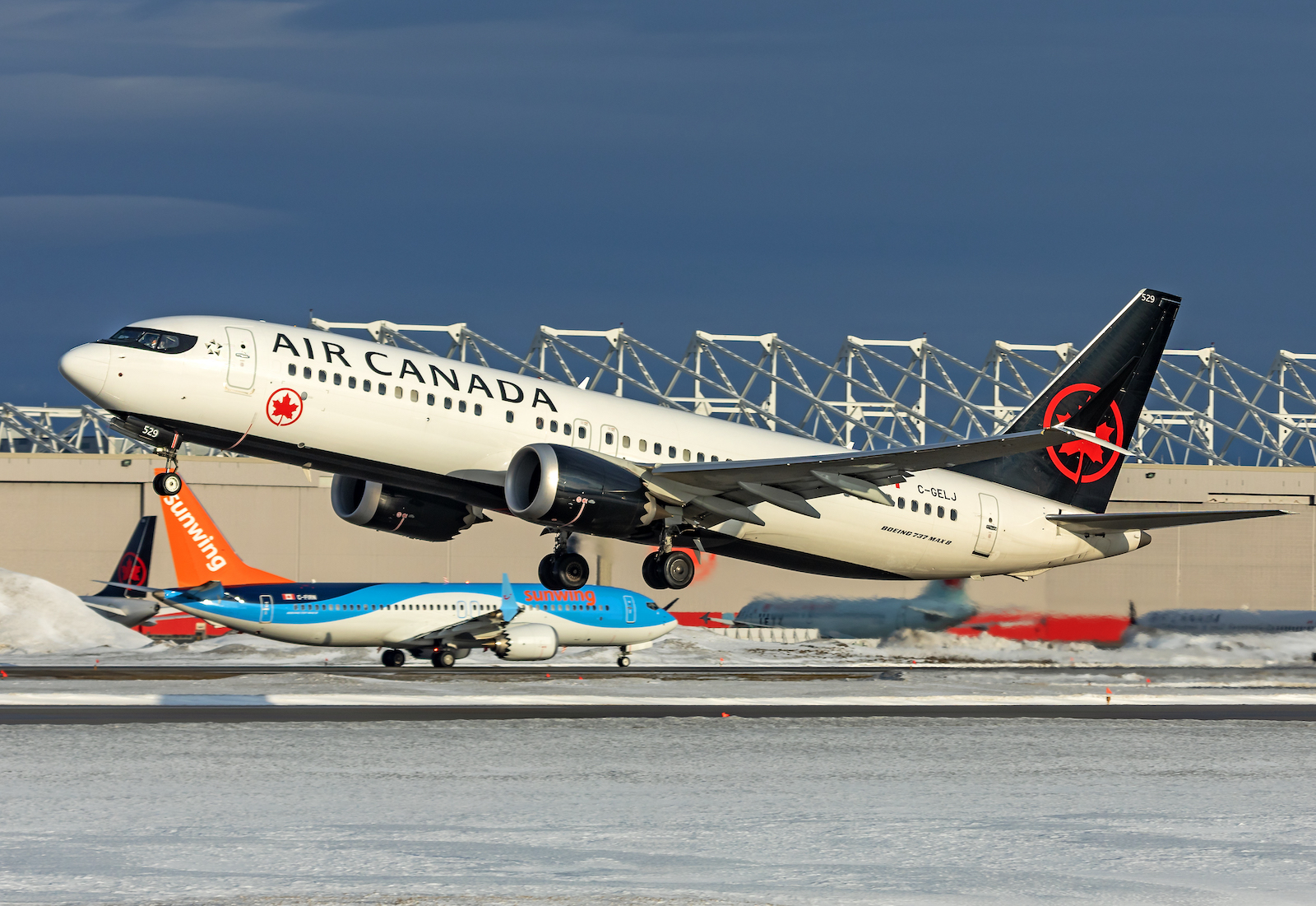
An Air Canada Boeing 737 Max 8 [AirlineGeeks/William Derrickson]
Gemini Sparkle

Key Takeaways:

  • Air Canada and the Canadian Union of Public Employees (CUPE), representing its flight attendants, have reached a tentative labor agreement, ending a three-day strike.
  • The strike grounded thousands of flights, impacting over half a million customers, and saw flight attendants defy government return-to-work orders.
  • The deal, which CUPE calls "transformational," is expected to address issues like compensation for previously unpaid pre-takeoff and post-landing work.
  • The agreement is still subject to a vote by CUPE members, and Air Canada anticipates it will take a week or more to fully restore its flight schedule.
See a mistake? Contact us.

Air Canada and the union representing its flight attendants have reached a tentative labor agreement, ending a three-day strike that grounded thousands of flights and impacted over half a million customers.

The deal, first announced early Tuesday morning by the Canadian Union of Public Employees, came after Air Canada’s roughly 10,000 flight attendants defied two government-issued return-to-work orders, opening the door to what could have been Canada’s worst labor crisis in decades. Instead, the flight attendants will return to work Tuesday, allowing for a partial restoration of service by Tuesday evening.


Air Canada and its low-cost subsidiary Air Canada Rouge have been effectively shut down since early Saturday morning, when the strike began.

CUPE members will have to vote on and approve the settlement before it can take effect. If the proposal is rejected, the strike could resume.

In a statement, Air Canada said it could take a week or more to fully restore its schedule, which ordinarily consists of around 700 flights per day.

“The suspension of our service is extremely difficult for our customers,” said Air Canada president and CEO Michael Rousseau. “We deeply regret and apologize for the impact on them of this labour disruption. Our priority now is to get them moving as quickly as possible.”

CUPE sounded a more triumphant note, calling the tentative deal “transformational.”

An Air Canada A220-300 [AirlineGeeks/William Derrickson]

“We have reclaimed our voice and our power,” the organization said. “When our rights were taken away, we stood strong, we fought back — and we secured a tentative agreement that our members can vote on.”

Neither side has provided details of the deal, though CUPE suggested it accomplished at least one of its major goals by writing, “Unpaid work is over.”

The union has argued that Air Canada’s flight attendants should be paid for work they perform before takeoff and after landing, including helping passengers board and carrying out safety checks. Currently, they are paid only for work done while an airplane’s doors are closed.

Air Canada had agreed to start paying the flight attendants for those tasks, but at half the normal rate, which CUPE rejected.

Back in the Air

According to The New York Times, Air Canada and CUPE returned to the negotiating table on Monday, even as tensions between the two sides appeared to be escalating.

The union ignored a return-to-work order issued by the Canadian Industrial Relations Board on Saturday, and on Monday defied a second ruling that declared the strike unlawful. This decision could have resulted in fines for CUPE and jail time for its leaders and members.

CUPE president Mark Hancock indicated that he and other union officials were willing to go to jail to keep the strike going in the absence of an acceptable agreement.

Canada Prime Minister Mark Carney weighed in the same day, urging Air Canada and CUPE “to resolve this as quickly as possible.”

Air Canada estimated that, as of Monday, over 500,000 people had been affected by the cancellation of its flights. The carrier has been contacting passengers with affected flights and offering refunds and, where possible, alternate arrangements with other Canadian and foreign airlines.

While this system has allowed some travelers to continue on to their destinations, others remain stranded, some in foreign countries and in remote parts of Canada.


Editor’s note: This article first appeared on AirlineGeeks.

Zach Vasile

Zach Vasile is a writer and editor covering news in all aspects of aviation. He has reported for and contributed to the Manchester Journal Inquirer, the Hartford Business Journal, the Charlotte Observer, and the Washington Examiner, with his area of focus being the intersection of business and government policy.

Ready to Sell Your Aircraft?

List your airplane on AircraftForSale.com and reach qualified buyers.

List Your Aircraft
AircraftForSale Logo | FLYING Logo
Pilot in aircraft
Sign-up for newsletters & special offers!

Get the latest stories & special offers delivered directly to your inbox.

SUBSCRIBE
