











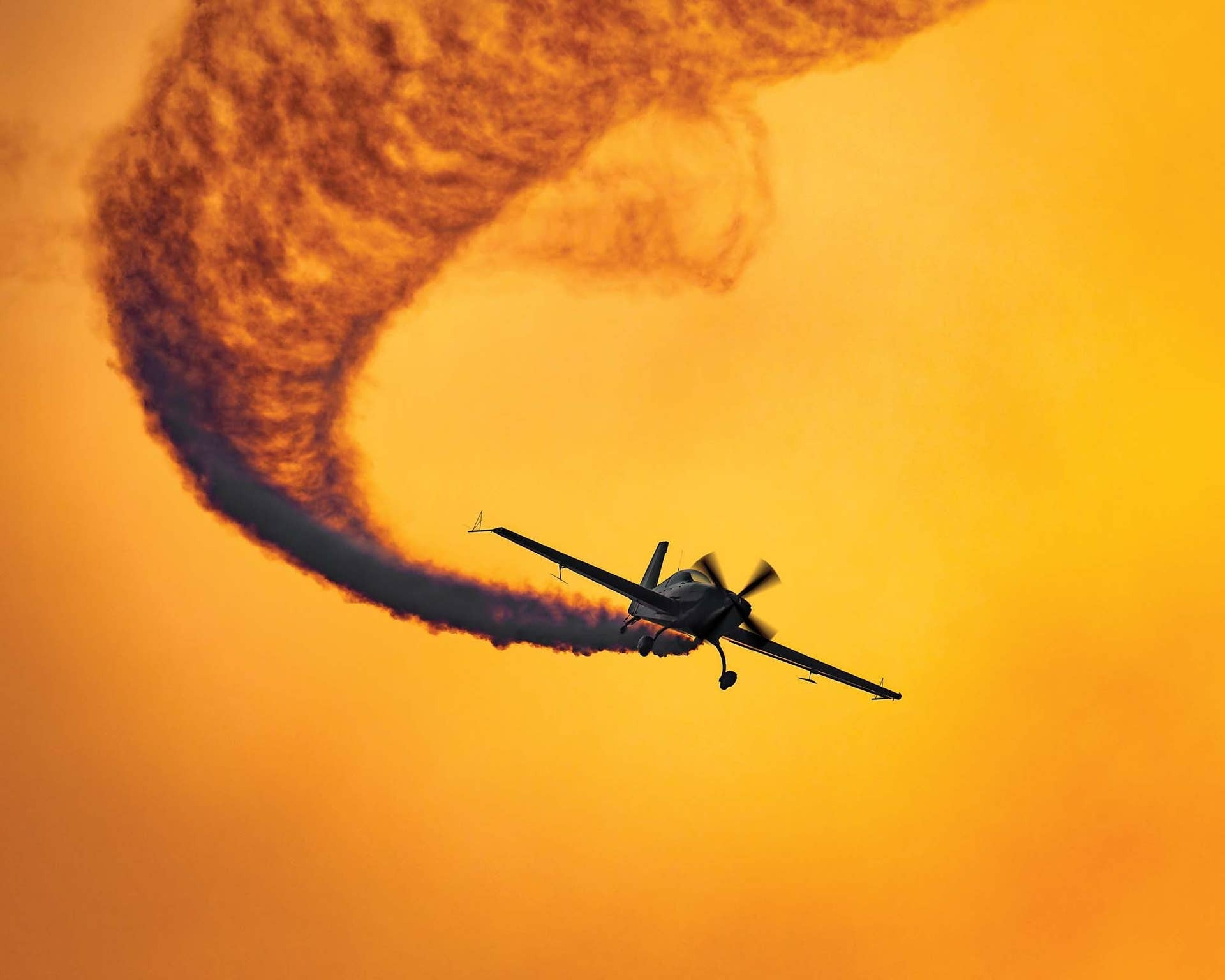


Waiting in a desert canyon outside Las Vegas, photographers stood ready to capture the adrenaline rush of high-speed, low-level aerobatics. Instead, they became eyewitnesses to a fatal crash. The National Transportation Safety Board (NTSB) has released its final report on the July 3, 2022, event, highlighting both aerodynamic and regulatory breaking points.
The 58-year-old pilot had about 7,000 hours of flight time, built up as a respected Marine Corps F/A-18 fighter pilot and United Airlines first officer. That day, he was solo in a 1996 Extra EA-300L single-engine unlimited competition aerobatic airplane. The strong machine was working as expected. In the wording of the NTSB, “postaccident examination of the airframe and engine revealed no evidence of preimpact mechanical failures or malfunctions that would have precluded normal operation.” Weather wasn’t a factor either, the sun coming up on a glorious Nevada morning. No clouds, no wind, visibility unlimited. At 8 a.m., it was already a dry-heat 90 degrees Fahrenheit.

