













A Series Of Events

Lisa Turner/Kitplanes
Gemini Sparkle

Key Takeaways:

  • A pilot experienced a landing accident involving violent nosewheel oscillations and subsequent brake failure, caused by an undetected 9-knot tailwind combined with high density altitude, which drastically increased ground speed.
  • The excessive wheel speed (around 95 mph) at touchdown initiated the oscillations, which then caused a wheel pant to break loose and sever the left brake line, leading to a loss of directional control.
  • The incident underscores the critical importance for pilots to accurately assess actual wind conditions at high-altitude airports to prevent dangerous increases in ground speed, and to regularly check the damping friction on free-castering nose gear.
See a mistake? Contact us.

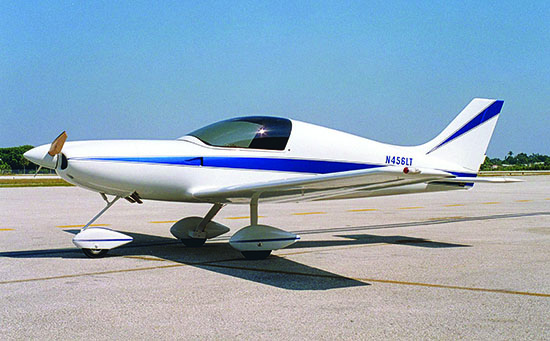
For 18 years, I flew a tricycle-gear Aero Designs Pulsar XP experimental out of a non-towered, high-altitude airport in Southern California, making at least 2500 takeoffs/landings at the airport. Last September, I flew a breakfast flight to an airport about 30 nm away, landed with buddies and all was well.

Landing out of the return flight, the AWOS indicated calm winds, density altitude at 8300 feet. I set up for a routine landing on Runway 26, following a Mooney. I approached at normal speed: over the fence at 80 mph. I touched down at 75 mph and dropped the nosewheel to the runway. That’s when the castering nosewheel began violent oscillations. I had checked the system a week before and made several subsequent landings with no problems.


I pulled the nosewheel off the ground to stop the oscillations but as speed dropped, so did the nose, and the vibrations began again. Rolling straight down the runway, I touched both heel brakes to slow down, but the left one went to the floor. The pressure I had applied to the working right brake resulted in the airplane heading off that way: I had lost all directional control. Then I was in weeds and dirt, rolling over a taxiway, realizing this was not going to end well. I had the presence of mind to shut off the engine.

The airplane rolled into a hangar at about 25 mph, hitting it with the left wing and prop spinner. The nose gear collapsed, the left wing was broken at its root and fuel was flowing onto the ground, but I was fine. There was no fire. Some folks came by, secured everything and we towed the plane to my hangar.

The Mooney pilot came by and told me we had a nine-knot tailwind for our landings on Runway 26, and that explained almost everything.

At high-altitude airports, ground speed—and the wheel’s speed when in surface contact—is increased about two percent per 1000 feet of altitude. With a density altitude of around 7000 feet, routine landings are 14 percent faster than at sea level. Add another nine knots (11 mph), and my wheel speed at touchdown was around 95 mph. That’s what initiated the nose gear oscillations.

I inspected the left brake and found that the wheel pant had broken loose at the attach bracket from the vibrations, and the sharp bracket had cut the left nylon brake line in half. That explained loss of the left brake and steering.

Had I known we actually had a tailwind on Runway 26, I would have landed opposite direction on Runway 08. With wind on the nose, the wheel speed would have been normal, with no oscillations, no brake loss and no accident. If you have a free-castering nosegear, check the damping friction often. I’m making repairs now and hope to be flying by summer.

[su_box title=”Learning Experiences” box_color=”#000000″]

Have you encountered a situation or hazardous condition that yielded lessons on how to better manage the risks involved in flying? Do you have an experience to share with Aviation Safety’s readers about an occasion that taught you something significant about ways to conduct safer flight operations? If so, we want to hear about it.

We encourage you to submit a brief (500 words) write-up of your Learning Experience to Aviation Safety for possible publication. Each month, Aviation Safety publishes a collection of similar experiences sent to us by readers. Sharing with others the benefit of your experience and the lessons you learned can be an invaluable aid to other pilots.

You can send your account directly to the editor by e-mailing it to avsafetymag@gmail.com. Put “Learning Experience Submission” in the subject line; add your name and daytime telephone number at the bottom of the e-mail.

Your report will be considered for publication in the Aviation Safety’s readers’ forum, “Learning Experiences,” and may be edited for style and length. Anonymity is guaranteed if you want it. No one but Aviation Safety’s editor is permitted access to the reports. Your name and telephone number are requested only so that the editor can contact you, if necessary.

While we can’t guarantee your submission will get published, we can guarantee that we’ll closely review and consider using it.

All Learning Experience submissions become the property of Aviation Safety and may be republished.

[/su_box]

Ready to Sell Your Aircraft?

List your airplane on AircraftForSale.com and reach qualified buyers.

List Your Aircraft
AircraftForSale Logo | FLYING Logo
Pilot in aircraft
Sign-up for newsletters & special offers!

Get the latest stories & special offers delivered directly to your inbox.

SUBSCRIBE