











After some 3000 hours of flight time-not including military flight experience-gathered over a 50-year period, I recently had occasion to fly into the Portland (Ore.) International Airport (PDX) several times over a short time span. The Mooney 201 I bought new in 1989 was my chosen aircraft. At the time, PDX was undergoing major runway renovations, with Runways 10L/28R closed for all 288
Getting Down
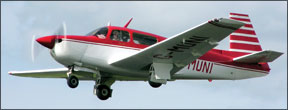
After some 3000 hours of flight time-not including military flight experience-gathered over a 50-year period, I recently had occasion to fly into the Portland (Ore.) International Airport (PDX) several times over a short time span. The Mooney 201 I bought new in 1989 was my chosen aircraft. At the time, PDX was undergoing major runway renovations, with Runways 10L/28R closed for all operations and 21 closed to landings. On an earlier flight, I was directed onto the right downwind for Runway 3 and to start my descent from 2000 feet after crossing over the tower. Even with idle power, full flaps and gear down, it takes a little while to slow down a Mooney and descend. On that flight, I extended my downwind past the end of the runway before turning base. All worked well.

Key Takeaways:
- Tower operators at large commercial airports may not be familiar with the performance limitations of personal aircraft, leading to unsafe or impractical instructions.
- Pilots must prioritize safety over blindly following Air Traffic Control (ATC) instructions, using their judgment to refuse or modify directives when they compromise safety.
- If there is any doubt about safely executing a landing, pilots should perform a go-around rather than attempting to force an unsafe approach.
Key takeaways sponsored by Aviator Pro | Start Your Training ->
See a mistake? Contact us.

