














Register

Technicalities

Gemini Sparkle

Key Takeaways:

  • The author significantly improved the smoothness of their aircraft, Melmoth 2, by replacing old engine mount isolators, highlighting their complex design for vibration dampening and tailored support based on engine and airframe characteristics (e.g., focalization, stiffness).
  • The article includes two distinct, lighter anecdotes: one about a small plane shot down by celebratory gunfire in Serbia, and another about a pumpkin-chunking competition in Delaware, both involving unusual "flying objects."
  • A final section reflects on the philosophical "lure of flying" through a literary review of aviation history and concludes with William Butler Yeats' poem "An Irish Airman Forsees His Death," offering an introspective perspective on a pilot's destiny.
See a mistake? Contact us.

Melmoth 2 inherited its engine mount brackets and isolators-the rubber pads the engine is actually bolted to-from Melmoth 1, which had in turn acquired them, in 1971, from a Cessna Skymaster that was already far from new. It’s surprising that any rubber compound can retain a whiff of elasticity after 35 years or more in the heat, gusty winds and general turmoil of an engine compartment, but those dampers still felt more like rubber than wood to the touch. Nevertheless, the engine vibration struck me as excessive. Now, the quality of the vibrations coming from an engine and propeller is to some degree a matter of personal perception. One pilot found the airplane quite smooth. But even after trying to convince myself that it was all in my mind, I still thought it felt harsh; and so I decided to replace the isolators.

Looking at a listing of Lord mount types, I was surprised to discover that there is a huge variety of them, and a bewildering number exists specifically for my Continental TSIO-360 engine. Naturally, Melmoth was not one of the airframe types mentioned in the list. I called Paul Snyder at Lord for advice about which mount type to select, and he recommended a J9613-31.
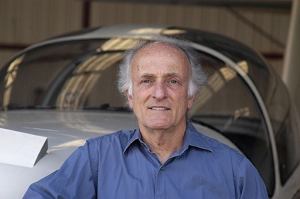

Peter Garrison

Peter Garrison taught himself to use a slide rule and tin snips, built an airplane in his backyard, and flew it to Japan. He began contributing to FLYING in 1968, and he continues to share his columns, ""Technicalities"" and ""Aftermath,"" with FLYING readers.

Ready to Sell Your Aircraft?

List your airplane on AircraftForSale.com and reach qualified buyers.

List Your Aircraft
AircraftForSale Logo | FLYING Logo
Pilot in aircraft
Sign-up for newsletters & special offers!

Get the latest stories & special offers delivered directly to your inbox.

SUBSCRIBE
