














Register

Mastering the Metar

Gemini Sparkle

Key Takeaways:

  • Many new airline pilot applicants struggle with decoding essential METAR weather reports, despite their critical role in aviation and making go/no-go decisions.
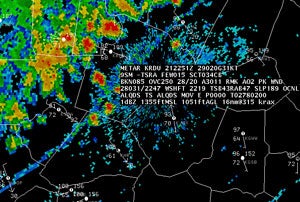
  • METARs provide time-sensitive weather information in a standardized, fixed sequence, including location, time, wind, visibility, significant hazards, clouds, temperature/dew point, altimeter setting, and remarks.
  • Understanding this specific order and the various codes (e.g., for wind direction/speed, visibility in statute miles, cloud coverage, and unique weather phenomena descriptors like 'BR' for mist) is crucial for accurate interpretation.
See a mistake? Contact us.

I was surprised when I read recently that many new airline pilot job applicants struggle with decoding basic metar weather reports. It would seem to me that if you’ve done enough flying to reach the interview stage with a commercial carrier, you would have interpreted hundreds if not thousands of metars along the way.

Maybe it’s the invention of software that can translate metars into “plain English” that has caused such befuddlement among would-be airline pilots. Still, with a little practice metars aren’t hard to grasp – and being able to do so could save your bacon if you’re staring down an un-translated report and need to make a go/no-go decision in marginal weather.


Ready to Sell Your Aircraft?

List your airplane on AircraftForSale.com and reach qualified buyers.

List Your Aircraft
AircraftForSale Logo | FLYING Logo
Pilot in aircraft
Sign-up for newsletters & special offers!

Get the latest stories & special offers delivered directly to your inbox.

SUBSCRIBE
