

Register

Origins of the AirCam

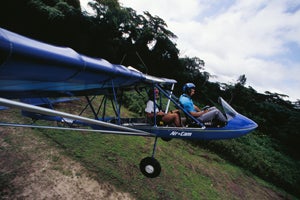
** Blasting off in the AirCam from a 600 foot dirt
strip in the Ndoki Rain Forest.**
Gemini Sparkle

Key Takeaways:

  • The AirCam was originally designed by Phil Lockwood for a National Geographic expedition in the Congo, conceived as a twin-engine aircraft that could safely fly low and slow over remote, rugged terrain.
  • Following the success of the African project, Lockwood refined the design into a commercially available kit plane featuring a durable aluminum monocoque structure and four-stroke Rotax 912 engines.
  • The aircraft has developed a dedicated following with over 160 planes flying today, prized by pilots for its remarkable visibility, twin-engine safety margins, and exceptional short takeoff and landing performance.
See a mistake? Contact us.

Editor’s Note: The Lockwood AirCam is a one-of-a-kind airplane, tough, capable, ingenious and elegant all at once. Designed as a photo platform for a National Geographic_ story on the remote and pristine Ndoki Rain Forest in the Democratic Republic of Congo, the AirCam soon evolved into a commercially available product that continues to attract a cult following of adventurous souls._

When Phil Lockwood, the young man who would one day create the AirCam, graduated from the Florida Institute of Technology in 1982, the aviation industry was already looking grim as it prepared to enter what would turn out to be a 10-year downturn, during which time light plane manufacturing came to a near halt. The prospects looked anything but promising to a young man with a dream of making a living working with airplanes.


Ready to Sell Your Aircraft?

List your airplane on AircraftForSale.com and reach qualified buyers.

List Your Aircraft
AircraftForSale Logo | FLYING Logo
Pilot in aircraft
Sign-up for newsletters & special offers!

Get the latest stories & special offers delivered directly to your inbox.

SUBSCRIBE