We use the word “thrust” for the force that drives the airplane forward against air resistance. Because the word applies equally to all kinds of propulsion, comparisons of the properties of jets and props may include some statement to the effect that props produce their thrust by accelerating a mass of air backward.
Why Jets Fly High and Fast
Peter Garrison explains how jets produce thrust and recips produce torque.

Key Takeaways:
- Jet engines generate thrust directly by accelerating hot exhaust gas, becoming more fuel-efficient at higher speeds and altitudes due to favorable aerodynamic effects like ram air and reduced resistance.
- Propellers create thrust by accelerating ambient air, experiencing reduced efficiency at higher speeds and altitudes as air density decreases and propeller mechanics become less optimal.
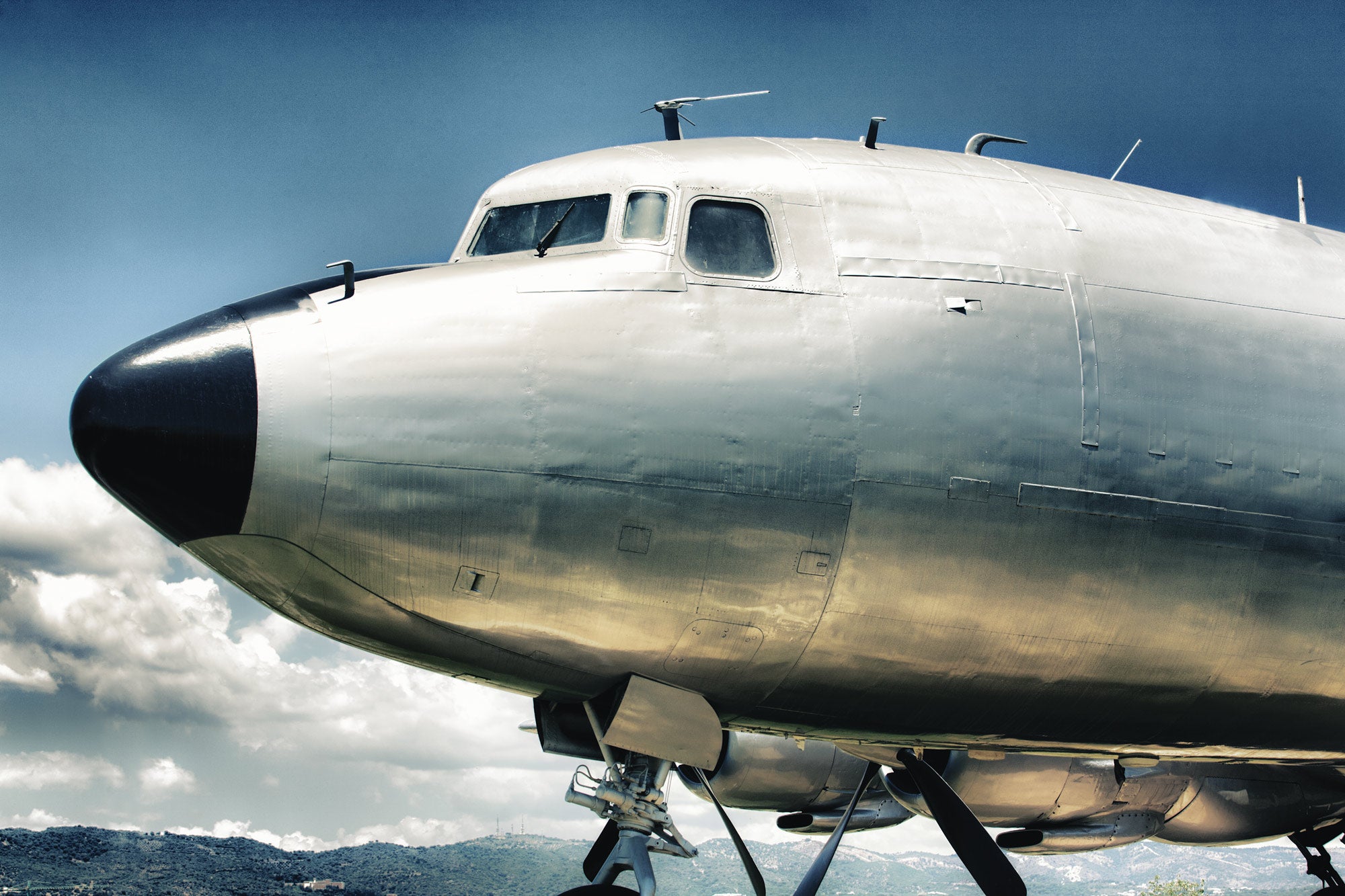
- For low aerodynamic drag at subsonic speeds, gently tapering tails are critical. Blunt or hemispherical noses, especially with rounded edges, can be superior to long, swoopy designs by reducing skin friction and preventing flow separation.
Key takeaways sponsored by Aviator Pro | Start Your Training ->
See a mistake? Contact us.