











While there’s been uptick in news about supersonic aircraft this year, FAR Part 91.817 is seldom mentioned. That regulation prohibits operation of a civil aircraft over the Continental United States or at a U.S. airport when the aircraft is capable of true airspeeds greater than Mach 1, the speed of sound. The regulation also represents a significant impediment to introducing Americans to the time-saving benefits of supersonic travel.
Honeywell and NASA Create Sonic Boom Predictive Software

Key Takeaways:
- US regulation FAR Part 91.817 prohibits supersonic flight over land, significantly impeding the reintroduction of supersonic travel.
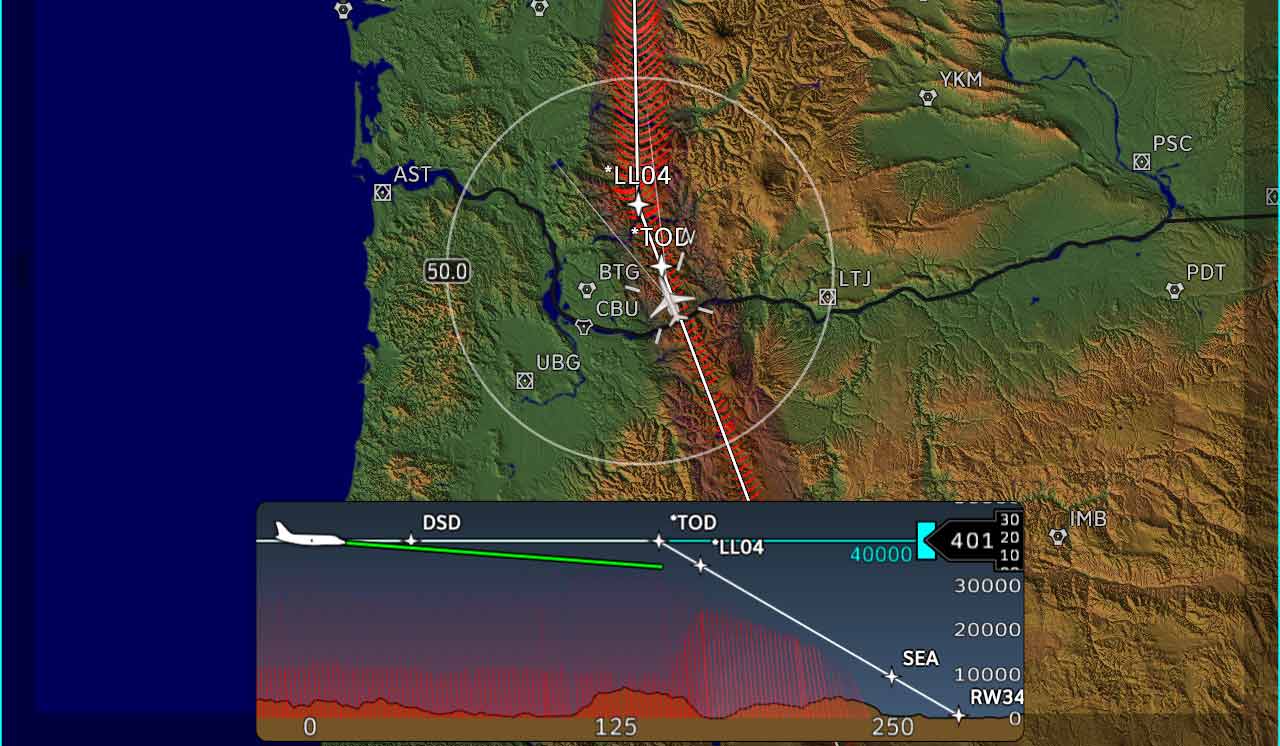
- Honeywell and NASA developed a new pilot interface that integrates predictive sonic boom software and display technology into the cockpit.
- This system helps pilots understand and alter course to prevent sonic booms from disturbing people on the ground, supporting NASA's efforts to potentially negate the need for 91.817.
Key takeaways sponsored by Aviator Pro | Start Your Training ->
See a mistake? Contact us.

