











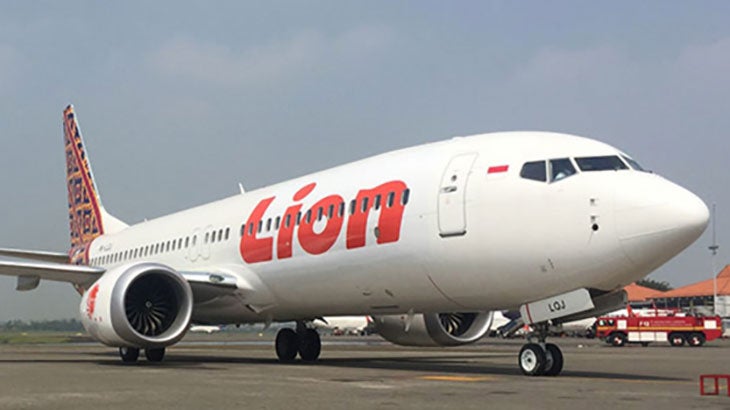
In what some pilots are calling an inconceivable moment in flight operations and training, Boeing recently admitted the existence of the maneuvering characteristics augmentation system (MCAS), an angle of attack related stall prevention system that was unknown to operators of the Boeing 737 Max 8 aircraft, like the one flown last week by a Lion Air crew when it departed Jakarta Indonesia. The Lion Air crew experienced an unexpected nose pitch down shortly after takeoff as the aircraft was passing through 5,000 feet. Unable to recover from the event, all 189 people aboard perished in the crash that followed.
Lion Air Investigation Takes an Unexpected Turn

Key Takeaways:
- Boeing admitted the existence of the Maneuvering Characteristics Augmentation System (MCAS) on the 737 MAX 8, a stall prevention system previously unknown to operators and not included in pilot training or manuals.
- The MCAS is circumstantially linked to the Lion Air 610 crash, where the aircraft experienced an unexpected nose-down pitch, leading the FAA to issue an emergency airworthiness directive citing potential erroneous MCAS activation.
- Pilot associations expressed significant outrage over Boeing's oversight, criticizing the company for implementing a flight control system without informing the pilots who operate the aircraft.
- Boeing reportedly assessed the likelihood of MCAS activating in flight as so remote that an explanation of the system was deemed unnecessary for pilots.
Key takeaways sponsored by Aviator Pro | Start Your Training ->
See a mistake? Contact us.

