











Except for the TKS-powered anti-ice technology installed on some small aircraft, the ultimate system to keep wings and tail components free of ice is most certainly the heated leading edges used aboard turbine-powered aircraft. The downside of these near-perfect ice-shedding machines is that they drain valuable bleed air energy from the engine itself, often when the aircraft needs them most.
Is This a Better Method of Shedding Aircraft Ice?

Key Takeaways:
- Existing aircraft ice-prevention systems, like heated leading edges, are effective but suffer from draining valuable engine bleed air and adding considerable weight from plumbing.
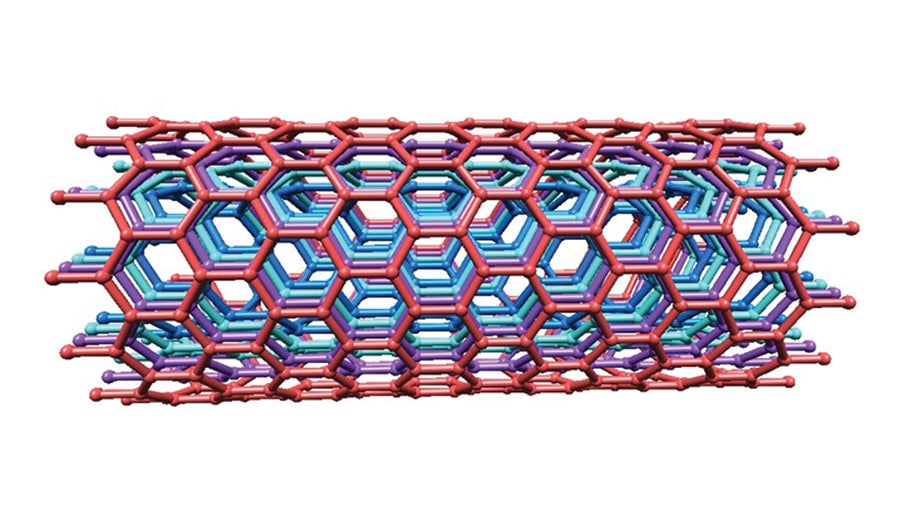
- Researchers at Queen's University Belfast have developed a new, ultra-lightweight ice-prevention system utilizing carbon nanotube (CNT) webs as heaters.
- These innovative CNT heaters are significantly lighter, thinner, provide rapid and more uniform heating, and are more energy-efficient compared to current aircraft de-icing technologies.
Key takeaways sponsored by Aviator Pro | Start Your Training ->
See a mistake? Contact us.

