











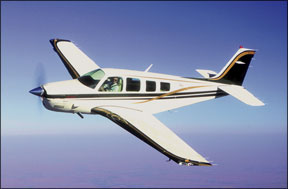
Just a few weeks after I received my Private certificate, I was using a C172 for pattern work at my home airport, just north of Detroits Class B. As I reported on the downwind leg, I heard a Bonanza reporting two miles west. “Okay,” I thought, “Ill be on base shortly; hell be number two behind me.” Reporting base, and declaring myself “number one” for the runway, I was not too surprised to hear the Bonanza pilot report downwind behind me. He did not, however, declare himself as “number two,” acknowledging someone was ahead of him. I proceeded with my turn and reported on final for Runway 36. As I turned to final, and reported “number one for 36,” I heard the Bonanza make his final call: “Bonanza on half-mile final for 36.” I was approximately 200-250 feet agl and close to the threshold of the runway when seemingly out of nowhere the Bonanza overflew me. I watched in astonishment as he landed long, perhaps close to the runways mid-point. 288
Overflight
Just a few weeks after I received my Private certificate, I was using a C172 for pattern work at my home airport, just north of Detroits Class B. As I reported on the downwind leg, I heard a Bonanza reporting two miles west. "Okay," I thought, "Ill be on base shortly; hell be number two behind me." Reporting base, and declaring myself "number one" for the runway, I was not too surprised to hear the Bonanza pilot report downwind behind me.

Key Takeaways:
- A newly certified private pilot experienced a dangerous near-miss when another aircraft disregarded standard traffic pattern procedures and overflew their plane on final approach.
- The incident highlighted critical safety issues, including the other pilot's lack of communication and situational awareness, and the inherent blind spots of different aircraft designs.
- As a result, the pilot now proactively ensures visual confirmation and clear communication with other aircraft in the pattern, and is prepared to depart if other pilots appear inattentive.
Key takeaways sponsored by Aviator Pro | Start Your Training ->
See a mistake? Contact us.

