The pilot, 40, was an instrument flight instructor and held a commercial certificate, with airplane single-engine and multiengine land ratings and an instrument rating. He had something over 1,400 hours and made his living giving flight instruction. His logbook displayed the required endorsement for “training stall awareness, spin entry, spins and spin-recovery procedures.” He mostly flew a Cessna 172, but he had recently administered a flight review in a Stearman. I will call him Jack—not his real name.
The Danger of Irrational Exuberance

Key Takeaways:
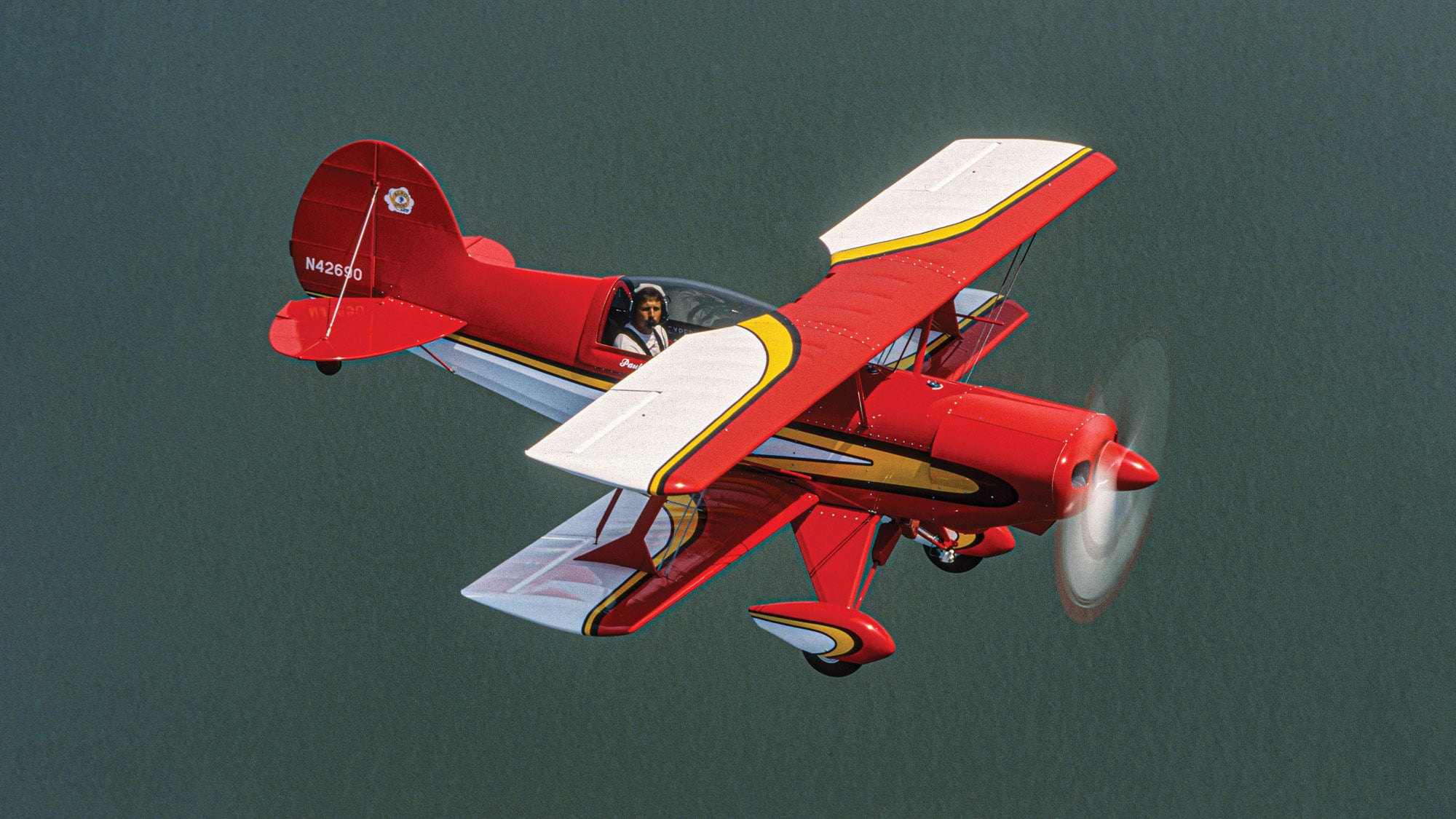
- A commercially rated pilot, largely unfamiliar with his newly purchased experimental biplane, performed a low-altitude, high-energy zoom climb with a passenger.
- The aircraft stalled at the apex of the steep climb, resulting in an unrecoverable spin and a fatal crash that killed both occupants.
- The NTSB concluded the crash was due to the pilot's decision to conduct low-altitude aerobatic maneuvers, causing an aerodynamic stall.
- The article emphasizes that a critical, unmentioned factor was the pilot's profound lack of familiarity with the aircraft's specific flight characteristics, particularly its stall behavior and performance limits.
Key takeaways sponsored by Aviator Pro | Start Your Training ->
See a mistake? Contact us.