











I was having the time of my life: We were traveling home to the Boulder Municipal Airport following my first mountain checkout back in 1992, and I was on my way to a commercial pilot certificate. But more so than that, the peaks and vistas west of the Front Range of Colorado beckoned.
Breathe Easy at Altitude
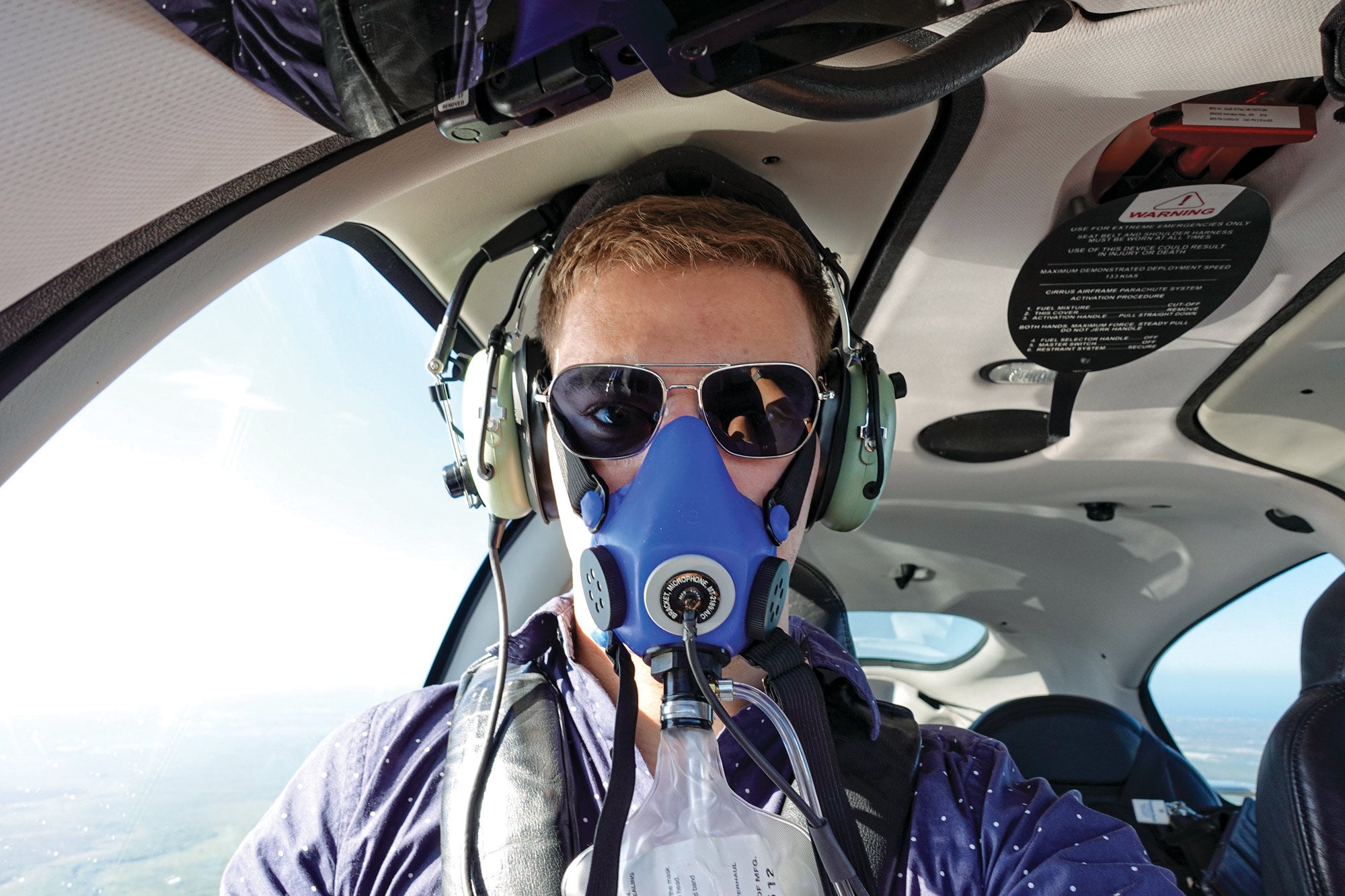
What do you need when it comes to aviator’s oxygen?

Key Takeaways:
- Hypoxia is an insidious and underestimated risk for pilots, capable of impairing physical and cognitive function even at altitudes below the legally mandated oxygen limits (e.g., 12,500 feet).
- Data indicates that pilots' blood oxygen saturation can drop to unhealthy levels (below 90 percent) at altitudes as low as 8,000 to 10,000 feet, leading to fatigue, poor judgment, and compromised decision-making.
- Pilots are strongly advised to proactively use supplemental oxygen at lower altitudes than legally required (e.g., consistently above 10,000 feet, or even 8,000 feet for long flights) to maintain optimal performance and safety.
- Using a pulse oximeter to monitor personal oxygen saturation and investing in portable oxygen systems are straightforward, affordable, and crucial measures to prevent hypoxia, especially during demanding flight operations.
Key takeaways sponsored by Aviator Pro | Start Your Training ->
See a mistake? Contact us.

