













Register

The Human Factor: Finding the Right Balance

Gemini Sparkle

Key Takeaways:

  • The article advocates for a balanced approach to autopilot use in aviation, viewing it as a valuable tool for workload management and enhancing situational awareness, rather than an "always on" crutch or a "never use" taboo.
  • Pilots must maintain proficiency in both fundamental hand-flying skills (which can degrade with over-reliance on automation) and the skilled operation of complex autopilots, as misuse or misunderstanding of either can lead to critical errors.
  • Achieving and maintaining competency in both hand-flying and advanced autopilot use requires consistent training, practice, and self-assessment, crucial for safe operation in all flight conditions, especially with sophisticated glass cockpits.
See a mistake? Contact us.

It seems like in many areas people are divided into two camps, with each side strongly supporting its way of thinking while disparaging any other approach. Sometimes the pendulum of opinion swings from one side to the other, never pausing to stop in the middle. A balanced approach is usually more reasonable, applying the appropriate measures at the appropriate times.

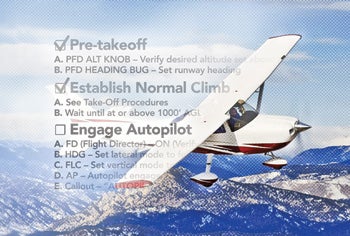
One example of this in aviation is the autopilot versus hand-flying controversy. As an instructor at FlightSafety and SimuFlight and a check pilot for the Civil Air Patrol, I have seen both sides of this issue. For some pilots, “gear up, autopilot engaged” seems like one step in the checklist. As soon as they have achieved a positive rate of climb and raised the landing gear, they engage the autopilot, and it stays engaged right up until shortly before landing.


Ready to Sell Your Aircraft?

List your airplane on AircraftForSale.com and reach qualified buyers.

List Your Aircraft
AircraftForSale Logo | FLYING Logo
Pilot in aircraft
Sign-up for newsletters & special offers!

Get the latest stories & special offers delivered directly to your inbox.

SUBSCRIBE