











Runway visual range, or RVR, precisely measures the distance that a pilot flying an ILS approach might expect to see when looking down the runway in those critical seconds just before touchdown. Because landing and some takeoff minimums are based on visibility, an operating RVR system is a vital operational element to support the high arrival and departure rates demanded at busy airports.
How It Works: Runway Visual Range

Key Takeaways:
- Runway Visual Range (RVR) is a critical measurement of runway visibility for pilots during ILS approaches, essential for meeting landing/takeoff minimums and supporting high airport traffic.
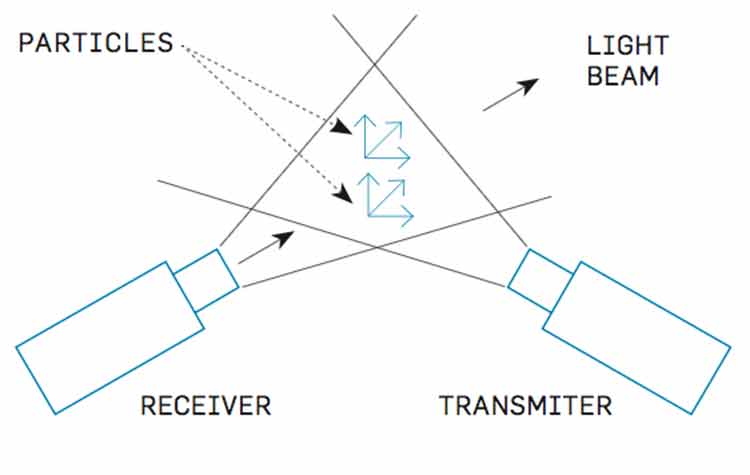
- A typical RVR system comprises visibility sensors (often forward scatterometers), ambient light sensors, runway light intensity monitors, a data processing unit, and a control display unit.
- Visibility sensors are strategically placed along the runway to measure the density of particles in the air, such as water droplets or snow, while ambient light sensors interpret background lighting.
- All gathered sensor data is processed by a central unit to calculate the final RVR readout, which is then displayed to air traffic controllers for communication to pilots.
Key takeaways sponsored by Aviator Pro | Start Your Training ->
See a mistake? Contact us.

