











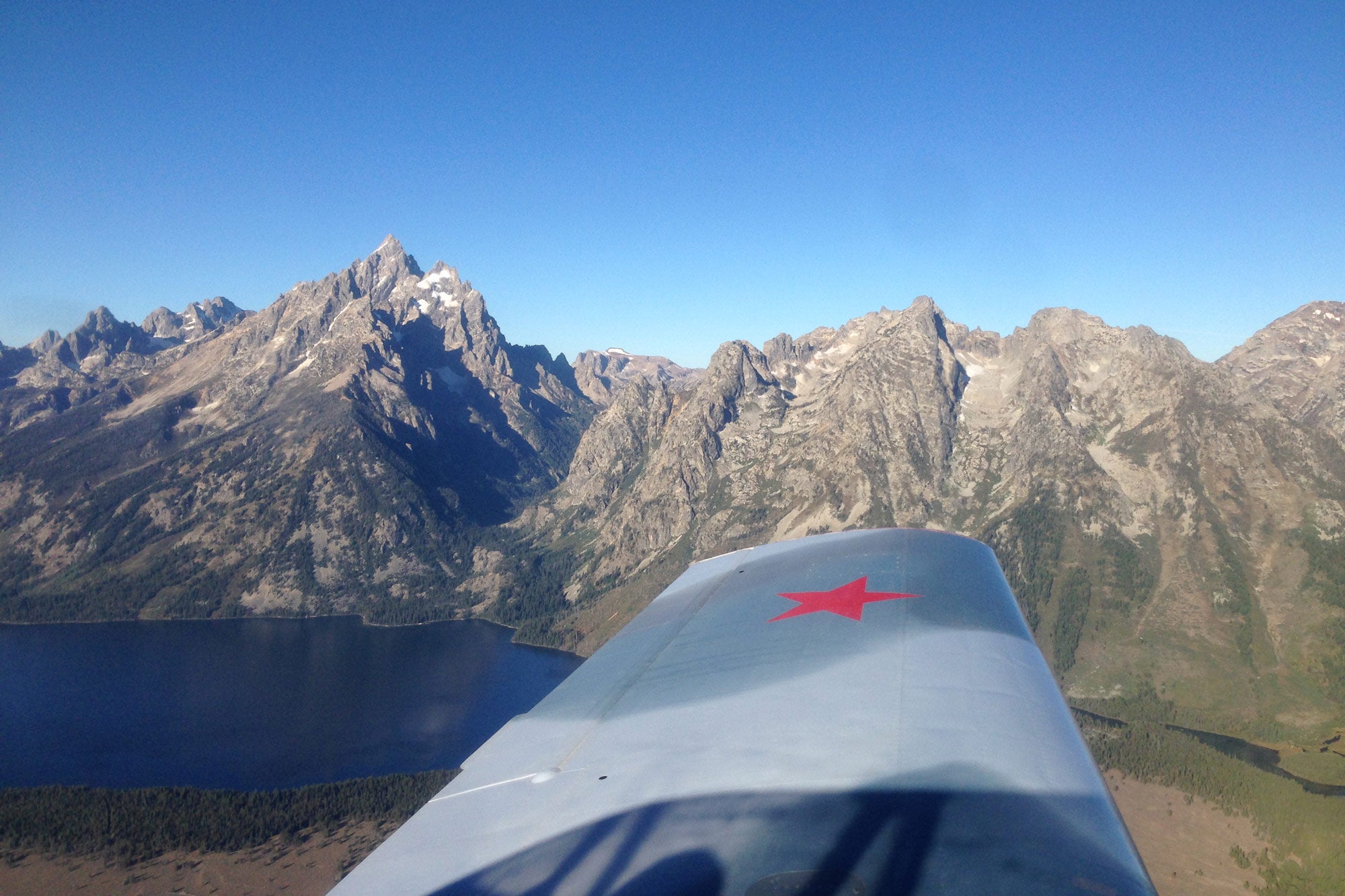
December is the cruelest month in the Culebra Range of southern Colorado. This chain of lofty mountains is rugged terrain, where the raging winds of winter have caught several airplanes in downdrafts. in my Navion, I have sniffed out the range’s updrafts and downflows, trying to identify weather conditions leading to airplane disasters and to relate winds to mountain contours. On foot, I have spent many days climbing Culebra Range peaks. These mountains are my backyard.
Deadly Downdrafts: Understanding the Risks

Key Takeaways:
- The Culebra and Sangre de Cristo Mountains present extreme flying hazards, particularly in winter, due to powerful and unpredictable downdrafts and mountain wave phenomena.
- Several accidents demonstrate that even instrument-rated pilots of sophisticated aircraft frequently underestimate or fail to recognize severe mountain weather conditions, leading to catastrophic loss of control.
- Safe mountain flying requires comprehensive weather briefings (including pireps and mountain-wave forecasts), detailed terrain analysis, awareness of mountain wave indicators, and the willingness to avoid dangerous areas or use alternative routes like circumnavigation.
Key takeaways sponsored by Aviator Pro | Start Your Training ->
See a mistake? Contact us.

