Relevant Discussion: AIM 5-4-5, 7-1-11, 7-2-1 through 7-2-5, P/C Glossary, FAA-H-8083-16, AC 00-45, AC 91-70, AC 120-28D, Order 7110.65T
Everything Explained: Altimetry Around the World

Key Takeaways:
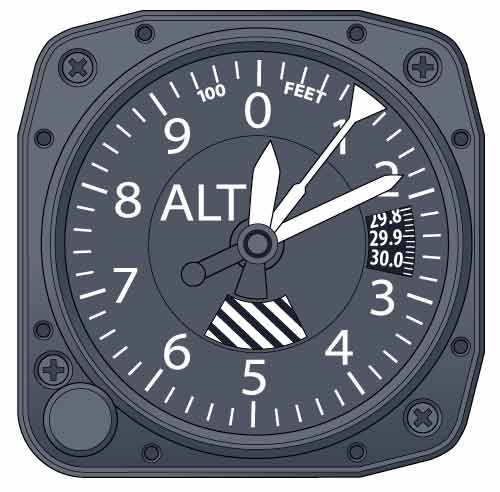
- Aviation altimeter settings rely on three main Q codes: QNH (local barometric pressure reflecting elevation above sea level), QNE (standard ISA pressure of 29.92 inHg or 1013.2 hPa), and QFE (actual airfield surface pressure, reading zero feet on the ground).
- Pilots switch between local altimeter settings (QNH) and standard pressure (QNE) when crossing the transition altitude while climbing or the transition level while descending; in North America this is fixed at 18,000 feet (FL 180), but it varies significantly worldwide.
- International flying requires adaptability to different measurement standards, such as converting between inches of mercury and hectopascals/millibars, as well as adjusting to occasional metric altitude assignments instead of feet.
Key takeaways sponsored by Aviator Pro | Start Your Training ->
See a mistake? Contact us.