











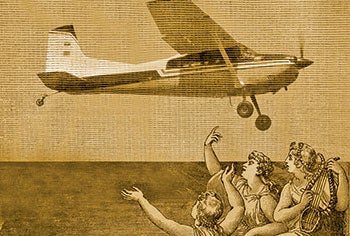


As I was talking with Dr. Martin Smith about the research he and his associates at Presage Group were doing on unstable approaches, he commented that visual approaches “were a little more seductive than instrument approaches in terms of continuing with an approach that is unstable.” Dr. Smith said even though all of the participants in the study were professional pilots and most were flying scheduled short-haul passenger service under instrument flight rules, 80 percent of the unstable approaches reported in the study occurred during visual meteorological conditions.
The Presage data shows pilots flying an approach in VMC are more likely to be flying the airplane manually, seem less aware of operational and environmental threats, are less likely to view those threats as unmanageable, are less likely to rely on expert knowledge of instruments and procedures and have lower confidence in their companies’ go-around policies. As Dr. Smith said: “That’s some seduction! It’s almost like they’re hand-flying a Cherokee 140 on a CAVU summer day with not a worry in the world.” Dr. Smith worried that due to the normalization of deviance mentioned in my previous article, these nonprescribed, deviant behaviors may have become the accepted way to conduct VMC approaches within the industry.

