I used up my entire allotment of blunders for the year in our July issue, where 1) I incorrectly referred to a Robertson STOL conversion as Robinson; 2) I said that the small forward lifting surfaces on the Robertson Wren 460 (a modified Cessna 182) were nicknamed “Wren’s teeth,” when in fact that name applied to rows of movable vortex generators on the wings that assisted in roll control at very low speeds; and 3) I described the Beech Starship as a “2,000 hp VariEze” when in fact it was a 2,400 hp VariEze.
The Piaggio Avanti is Strange, but Great

Key Takeaways:
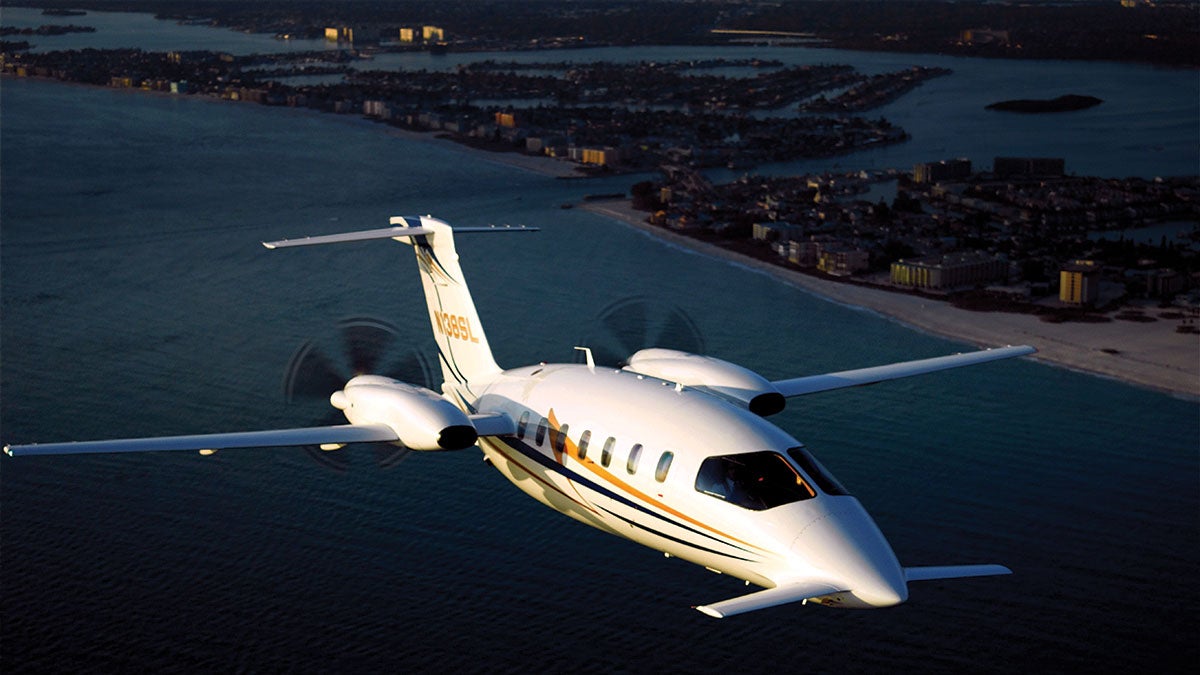
- The article differentiates "canard" aircraft, where the foreplane controls pitch, from "three-surface" designs like the Piaggio Avanti, which uses an aft elevator for pitch control.
- True canard configurations are constrained by stability requirements that necessitate the foreplane stalling before the main wing, limiting the main wing's use of high-lift devices and resulting in larger, heavier wings.
- Three-surface designs overcome these limitations by separating pitch control to an aft elevator, allowing the main wing to be smaller, use powerful high-lift devices, and carry fuel more efficiently, leading to superior aerodynamic performance.
Key takeaways sponsored by Aviator Pro | Start Your Training ->
See a mistake? Contact us.