













Register

A Series Of Events

Lisa Turner/Kitplanes
Gemini Sparkle

Key Takeaways:

  • An experimental aircraft suffered a hangar collision following violent nosewheel oscillations and brake failure during landing at a high-altitude airport.
  • The incident was attributed to an unexpected 9-knot tailwind, which, combined with high density altitude, significantly increased ground speed and wheel speed at touchdown, causing the oscillations that severed a brake line.
  • Key lessons include the importance of verifying actual wind conditions beyond AWOS, especially at high-altitude airports where high ground speeds can induce nose gear oscillations and secondary failures, and the recommendation to frequently check nose gear damping friction.
See a mistake? Contact us.

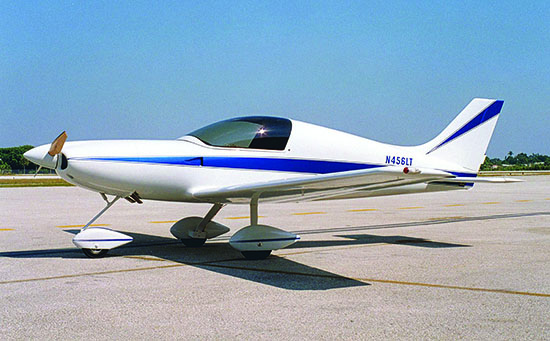
For 18 years, I flew a tricycle-gear Aero Designs Pulsar XP experimental out of a non-towered, high-altitude airport in Southern California, making at least 2500 takeoffs/landings at the airport. Last September, I flew a breakfast flight to an airport about 30 nm away, landed with buddies and all was well.

Landing out of the return flight, the AWOS indicated calm winds, density altitude at 8300 feet. I set up for a routine landing on Runway 26, following a Mooney. I approached at normal speed: over the fence at 80 mph. I touched down at 75 mph and dropped the nosewheel to the runway. That’s when the castering nosewheel began violent oscillations. I had checked the system a week before and made several subsequent landings with no problems.


Ready to Sell Your Aircraft?

List your airplane on AircraftForSale.com and reach qualified buyers.

List Your Aircraft
AircraftForSale Logo | FLYING Logo
Pilot in aircraft
Sign-up for newsletters & special offers!

Get the latest stories & special offers delivered directly to your inbox.

SUBSCRIBE