











For decades prior to the advent of electronic instrumentation, flight instructors regularly taught pilots not to trust fuel gauges lest a failure leave them unknowingly running on empty. Despite more accurate measurement systems, fuel mismanagement still ranks number six on the NTSB’s list of GA accident categories, accounting for roughly 50 accidents each year, some with fatalities.
NTSB’s ‘Flying on Empty’ Focuses on Pilot Fuel Management

Key Takeaways:
- Fuel mismanagement remains a leading cause of General Aviation (GA) accidents (ranked #6, ~50 annually), with 95% attributed to human error, often occurring when flight plans change.
- The NTSB distinguishes between fuel exhaustion (running tanks dry) and fuel starvation (engine quitting with usable fuel), with both being highly preventable.
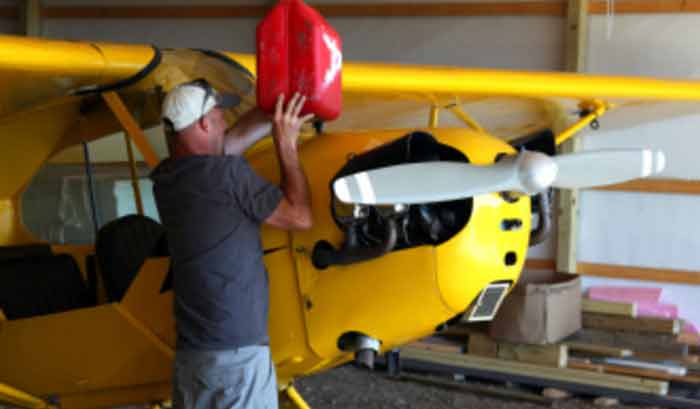
- Pilots are advised to avoid sole reliance on fuel gauges, instead performing visual preflight checks, calculating flight endurance based on fuel capacity and burn rate, and maintaining conservative fuel reserves.
- Most fuel mismanagement incidents involve experienced pilots (private to ATP) rather than student pilots and predominantly occur during daylight hours.
Key takeaways sponsored by Aviator Pro | Start Your Training ->
See a mistake? Contact us.

