
In 1909, the French experimenter Louis Bleriot made the first crossing of the English Channel by airplane. The aircraft he used, his Model XI, was similar in its general configuration to what we consider conventional today: engine in front, pilot close behind a monoplane wing, horizontal stabilizer and rudder at the tail end of an extended fuselage. The resemblance to a modern airplane is especially striking in light of the fact that just 11 months earlier Wilbur Wright had demonstrated in France a mastery of flight far beyond anything yet achieved in Europe, and had done so in an airplane entirely different in configuration from Bleriot’s. It must have taken considerable strength of mind to resist copying the Wrights’ design. As history shows, however, Bleriot was right, and the Wrights were wrong.
Technicalities: Strange Wings

Key Takeaways:
- Louis Bleriot arrived at what became the conventional modern aircraft layout (Model XI) largely through trial and error, experimenting with diverse and unconventional configurations such as canards, tandem wings, and closed-loop wings.
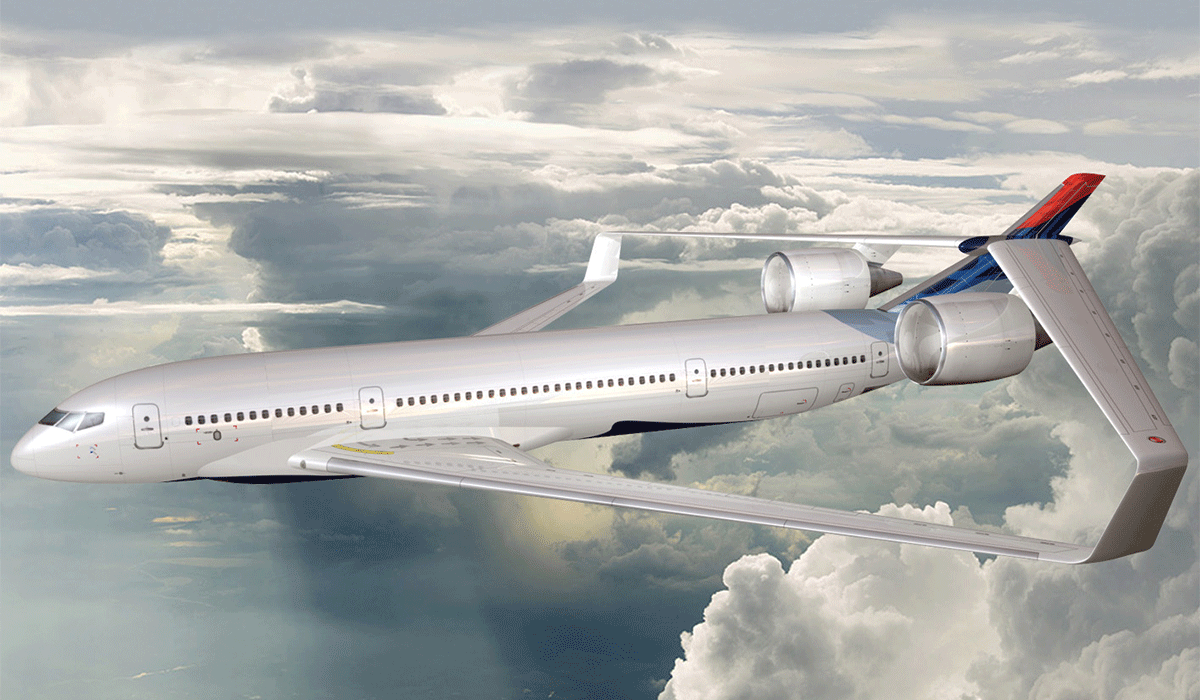
- Modern aerodynamic concepts—including Burt Rutan’s canard and tandem-wing designs, as well as closed and joined wings—ironically mirror Bleriot's early experiments in reverse chronological order.
- While alternative wing designs aim to eliminate tip vortices and reduce induced drag, they frequently introduce competing drag and weight penalties, suggesting that the traditional tapered monoplane remains the superior configuration.
Key takeaways sponsored by Aviator Pro | Start Your Training ->
See a mistake? Contact us.