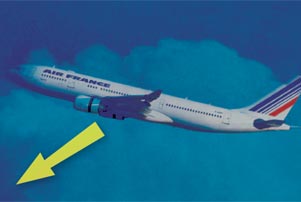
** This was the situation, but the information
was not presented to the Air France 447 crew.
To the designers of the flight control software,
it must have seemed inconceivable.**
Key Takeaways:
The Air France 447 accident highlighted the critical difficulties pilots face when highly automated systems fail, leading to confusion from contradictory instrument readings and a "startle effect" under extreme stress.
The article critiques Airbus's design philosophy for potentially isolating pilots from critical feedback and "unnecessary" information, contributing to their being "out of the loop" when manual intervention is required.
It points to significant shortcomings in pilot training, specifically the lack of exposure to high-altitude manual flying, stall recovery, and managing the psychological impact of unexpected emergencies.
You’re flying a twin-engine jet transport. The engines are at full power. The wings are rocking, but the heading is steady. The pitch attitude is 15 degrees nose up, but the VSI says that you are descending at 10,000 fpm. The flight director needles command a nose-up pitch.
What should you do?
CREATE A FREE ACCOUNT
Sign up to keep reading
Create a free account to continue. Already a member? Sign in below.
Peter Garrison taught himself to use a slide rule and tin snips, built an airplane in his backyard, and flew it to Japan. He began contributing to FLYING in 1968, and he continues to share his columns, ""Technicalities"" and ""Aftermath,"" with FLYING readers.