














Register

The Evolution of the Cessna 172

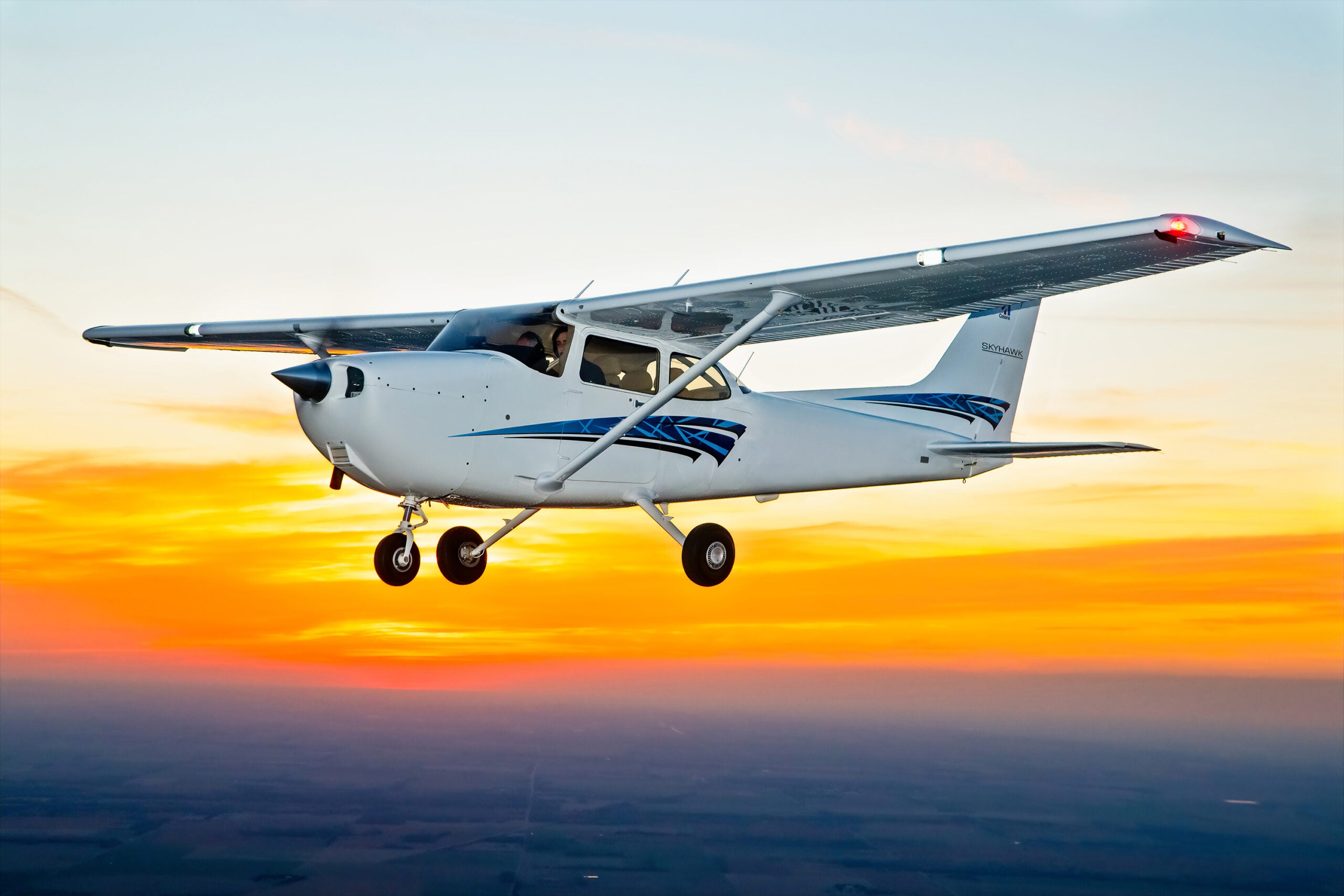
The Cessna 172 has had a rich and innovative history. [Courtesy: Textron Aviation]
Gemini Sparkle

Key Takeaways:

  • The Cessna 172 debuted in 1956, evolving from the 170 with tricycle "Land-O-Matic" gear and undergoing rapid early design changes, including panel redesigns, a swept tail, and "Omni-Vision" windows to enhance ergonomics, aesthetics, and visibility.
  • The aircraft's powerplant evolved from the original 145 hp Continental O-300 to more powerful Lycoming O-320 and O-360 engines, with fuel-injected versions becoming standard after production resumed in 1996.
  • After a decade-long production hiatus, the Cessna 172 was reintroduced in 1996 and significantly modernized in 2005 with the integration of an all-glass Garmin G1000 avionics suite, which has received continuous upgrades including advanced autopilots and ADS-B capabilities.
See a mistake? Contact us.

The Cessna 172 was based on the Cessna 170 taildragger, and in 1956 the most notable difference between the airplanes was the gear. The tricycle gear that helped make the Cessna 172 an excellent training airplane was named Land-O-Matic by the marketing department. Cessna’s idea to change the gear configuration most likely came from the popular tricycle gear STC for the 172 developed by Met-Co-Air in Fullerton, California. Another distinguishing feature that sets the early 172 apart from the 170 is the straight, finlike vertical stabilizer. The 1956 version of the 172 came out of the factory with a price tag of $8,295.

This 1969 IFR panel is remarkably capable, with ILS, ADF, and an autopilot, the roll-only Cessna brand Navomatic 300. Note the electric flaps. Early models had manual flaps, actuated by a big Johnson bar located between the seats. [FLYING Archives]

The instrument panel’s shape on early 172s was very similar to the Cessna 170’s, but in 1959 the panel shape began to morph into what we’ve become accustomed to in the 172. However, the control wheel placement remained in a higher position in those days, which disturbed the visual access to the instruments. Therefore, the control wheel later moved to a lower position on the panel, which not only improved the visibility to the instruments but also made its position more ergonomic.


FLYING Staff

FLYING Magazine is a one-stop resource for everything aviation, including news, training, aircraft, gear, careers, photos, videos, and more.

Ready to Sell Your Aircraft?

List your airplane on AircraftForSale.com and reach qualified buyers.

List Your Aircraft
AircraftForSale Logo | FLYING Logo
Pilot in aircraft
Sign-up for newsletters & special offers!

Get the latest stories & special offers delivered directly to your inbox.

SUBSCRIBE
