











It happens to be my lot in life as a pilot to get to fly regularly a couple of routes that take me through the most active thunderstorm areas in the country. These routes, from central Texas to northern Kansas and, again, from central Texas to Florida, not only point me in the direction of yellow, red and occasionally purple radar returns but also put me in areas of convective activity for long spells. Often a four-hour flight for me will keep me dodging storms for two, three or more of those hours.
Surviving Thunderstorms: Cut Your Risk
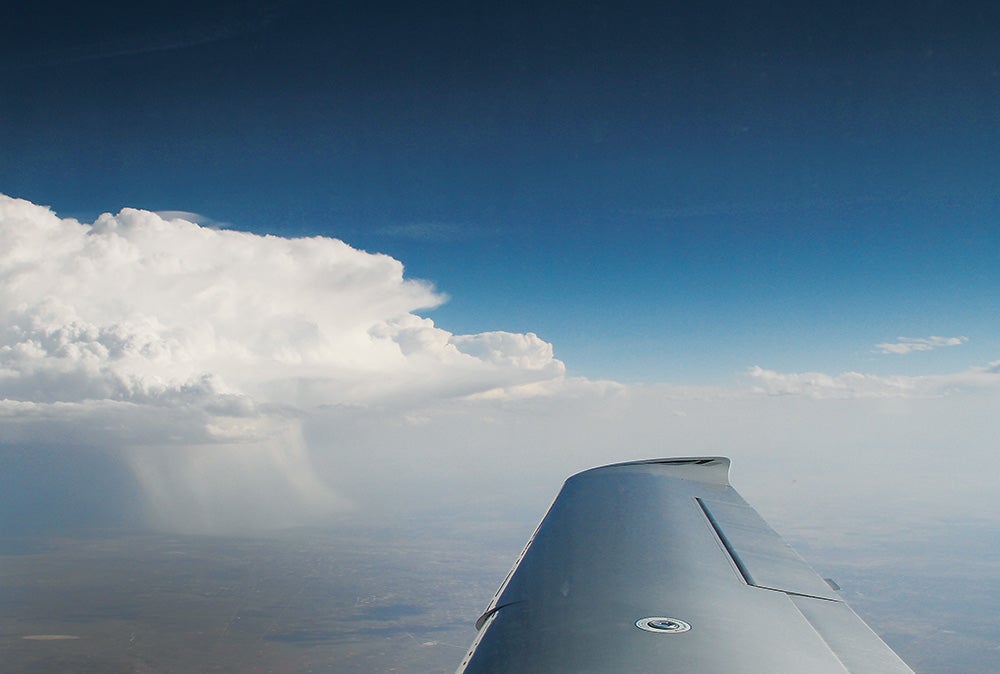

Key Takeaways:
- Thunderstorms vary geographically, with Dixie Alley seeing high frequency and Tornado Alley experiencing severe storms, hail, and microbursts, which pose significant low-altitude hazards like severe wind shear and turbulence to aircraft.
- Pilots must understand storm development and maturity, recognizing that in-cockpit weather radar has latency and should be used strategically, not tactically, for avoiding rapidly forming cells.
- Effective storm management involves maintaining a safe distance (at least 20 miles), staying visual, requesting ATC assistance, having a clear "out" (turning back), and diligently planning diversions and pre-flight weather briefings.
Key takeaways sponsored by Aviator Pro | Start Your Training ->
See a mistake? Contact us.

