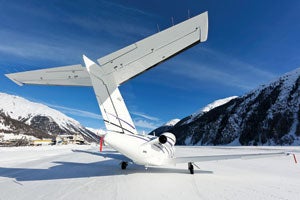
** A number of additional considerations go into
planning for winter flying.**
Key Takeaways:
Thoroughly monitor winter weather conditions, including fronts, icing, and winds aloft, planning ice-free altitudes or clear routes for both departure and return, and identifying reliable alternates.
Ensure the aircraft is properly prepared by preheating the engine, storing it indoors when possible, and completely cleaning and de-icing it before flight.
Prioritize safety by dressing warmly, increasing fuel reserves for strong winds, and allowing ample time for all pre-flight tasks in cold weather.
When it comes to winter flying, don’t let the weather catch you off guard. Check the following preflight items off your list to ensure a safe and trouble-free flight.
• Before your launch date, watch the weather, focusing on fronts, forecasts, icing and winds aloft.
CREATE A FREE ACCOUNT
Sign up to keep reading
Create a free account to continue. Already a member? Sign in below.
A commercial pilot, Isabel Goyer has been flying for more than 40 years, with hundreds of different aircraft in her logbook and thousands of hours. An award-winning aviation writer, photographer and editor, Ms. Goyer led teams at Sport Pilot, Air Progress and Flying before coming to Plane & Pilot in 2015.