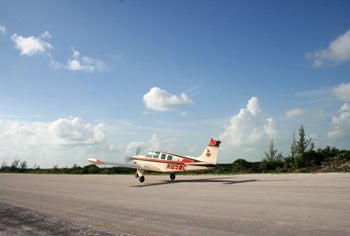
The return leg of a cross-country flight presents unique dangers to pilots due to accumulated stress and fatigue, coupled with "get-home-itis" and potential unfamiliarity with departure airports or challenging conditions.
To mitigate these risks, pilots should engage in thorough early planning, including familiarizing themselves with departure procedures and creating flight plans well in advance, and allocating ample time for pre-flight tasks.
Critical to safety is self-awareness and deliberate reflection on go/no-go decisions, avoiding pressure to launch when conditions (weather, darkness, personal fatigue) are not optimal, and extensively studying departure procedures, terrain, and weight and balance.
We’ve written extensively of late about the dangers inherent in the second leg of a long cross-country flight. Taking that concept one step further, another danger zone can be identified with the trip back home, even if that’s a few days down the road.
Many of the same factors enter into the risk equation:
CREATE A FREE ACCOUNT
Sign up to keep reading
Create a free account to continue. Already a member? Sign in below.
A commercial pilot, Isabel Goyer has been flying for more than 40 years, with hundreds of different aircraft in her logbook and thousands of hours. An award-winning aviation writer, photographer and editor, Ms. Goyer led teams at Sport Pilot, Air Progress and Flying before coming to Plane & Pilot in 2015.