













Register

Emergency Takeoffs

Gemini Sparkle

Key Takeaways:

  • The article emphasizes that takeoffs, often underestimated in training compared to landings, present unique challenges including less room for error, accelerating into unknowns, and the crucial decision of whether to initiate flight.
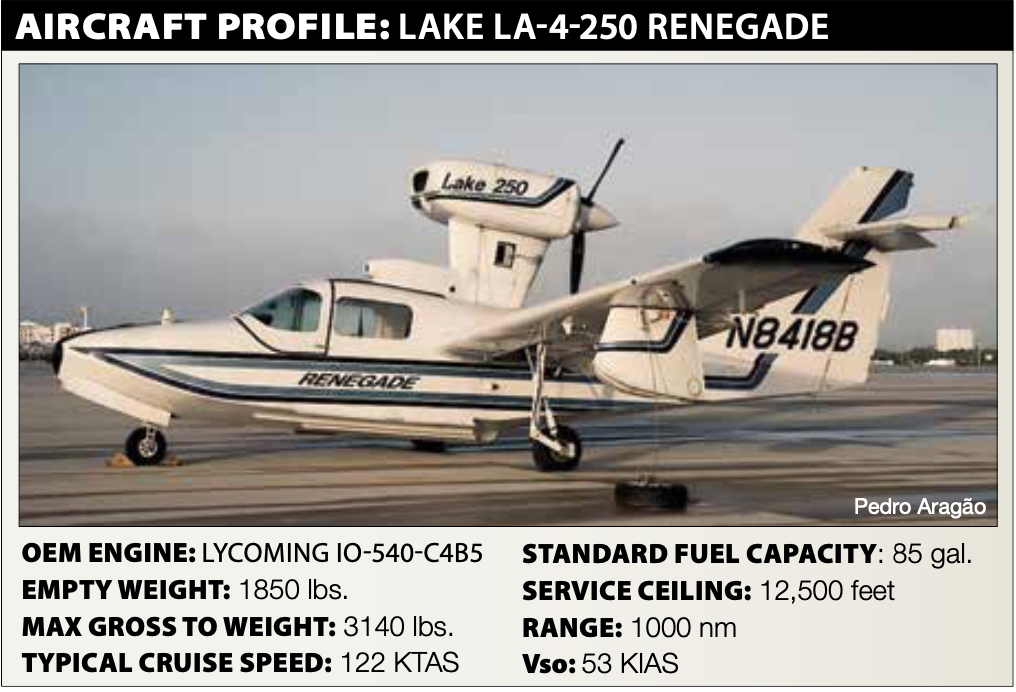
  • A fatal seaplane accident illustrates these risks, where the pilot exhibited several "hazardous attitudes," including impulsivity, disregard for rules, and argumentative behavior, leading to a rushed takeoff.
  • The accident investigation revealed the pilot failed to properly configure the aircraft (e.g., flaps retracted, incorrect trim) and chose to take off in unfavorable water conditions with a tailwind, resulting in an aerodynamic stall and loss of control.
See a mistake? Contact us.

It’s always been curious to me how the lion’s share of GA training emphasizes landings over takeoffs. Smoothly returning to Earth certainly requires some skill and practice, and often serves as a common yardstick for non-pilots of how good the pilot is. But takeoffs also require skill and practice, and come with some different challenges.

For example, when landing, we’re decelerating, not speeding down a runway trying to get enough speed to become airborne. On landing, we already know the airplane will fly; we’re at the end of a flight. During a takeoff, there always will be a non-zero chance the airplane won’t fly for some reason, leaving you accelerating toward the end of the runway as you try to, say, remove the gust lock, correctly adjust the pitch trim or extend the takeoff flaps you forgot. Put another way, the takeoff can offer less room for error than the landing.


Ready to Sell Your Aircraft?

List your airplane on AircraftForSale.com and reach qualified buyers.

List Your Aircraft
AircraftForSale Logo | FLYING Logo
Pilot in aircraft
Sign-up for newsletters & special offers!

Get the latest stories & special offers delivered directly to your inbox.

SUBSCRIBE