













Register

Full Deflection?

Gemini Sparkle

Key Takeaways:

  • Maneuvering speed (VA) is crucial for structural integrity, but the initial understanding that it permits full, rapid control inputs below this speed was clarified by the American Airlines Flight 587 crash.
  • The AA587 investigation revealed that rapid, opposing control inputs can cause catastrophic structural failure even *below* VA, indicating that it only ensures airframe integrity for a single, full control deflection, not oscillating loads.
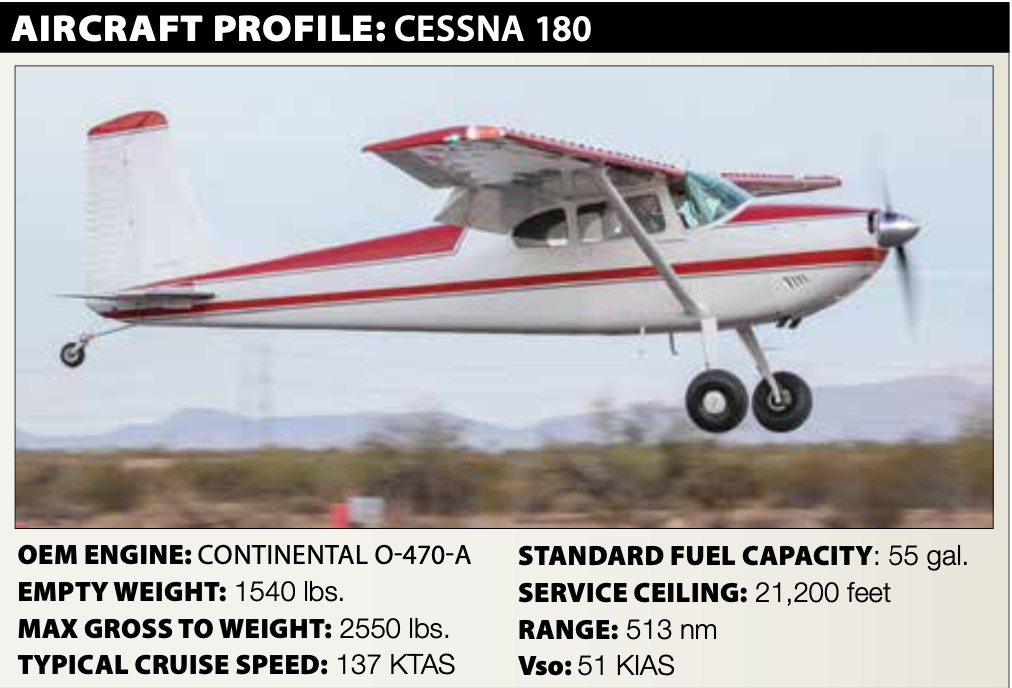
  • Pilots must heed maneuvering speed limitations, as demonstrated by a Cessna 180 breakup from an abrupt maneuver *above* VA, understanding the nuanced risks of both rapid opposing inputs and exceeding VA with aggressive controls.
See a mistake? Contact us.

Maneuvering speed is something fledgling airplane pilots learn about early in their training. It’s one of the more important details to know about any airplane because it has implications for structural integrity. It’s also relevant to operating in turbulence and performing maneuvers, although its value isn’t on an airspeed indicator, mainly because it varies with weight.

Maneuvering speed was taught to many pilots as the speed above which rapid, full control movements must not be made. The implication—and one of the lessons many pilots drew—is that rapid, full control movements could be made below that weight-adjusted speed. Then came American Airlines Flight 587, an Airbus A300 that crashed shortly after departing New York’s John F. Kennedy International Airport on November 12, 2001, killing all 260 aboard and five on the ground.


Ready to Sell Your Aircraft?

List your airplane on AircraftForSale.com and reach qualified buyers.

List Your Aircraft
AircraftForSale Logo | FLYING Logo
Pilot in aircraft
Sign-up for newsletters & special offers!

Get the latest stories & special offers delivered directly to your inbox.

SUBSCRIBE