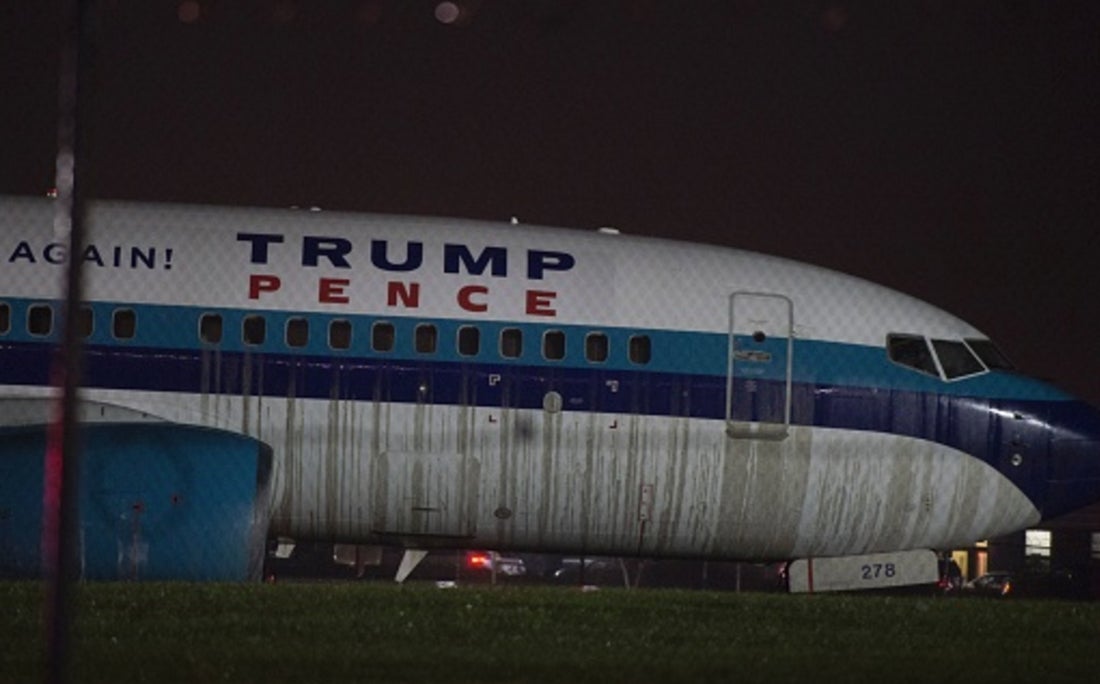


Embed from Getty Imageswindow.gie=window.gie||function(c){(gie.q=gie.q||[]).push(c)};gie(function(){gie.widgets.load({id:’wtjduUlkQA1M8FG1aCdBMQ’,sig:’7_DmCYmWFE23hk1X5C0bt0-qZBCUJZ6fkhJfS71y8CE=’,w:’650px’,h:’400px’,items:’618666584′,caption: true ,tld:’com’,is360: false })});
The NTSB cited a number of factors related to both cockpit crewmembers, as well as Eastern Airlines, that contributed to the October 2016 nighttime runway excursion of a chartered Boeing 737 from LaGuardia’s Runway 22. The first officer was the flying pilot when the aircraft touched down nearly 2,000 feet beyond the normal landing zone after floating above the rain-soaked runway. The aircraft was traveling at 130 knots when it finally did touch at a point 4,242 feet beyond the landing threshold, but was unable to stop before the end of the 7,000-foot runway.