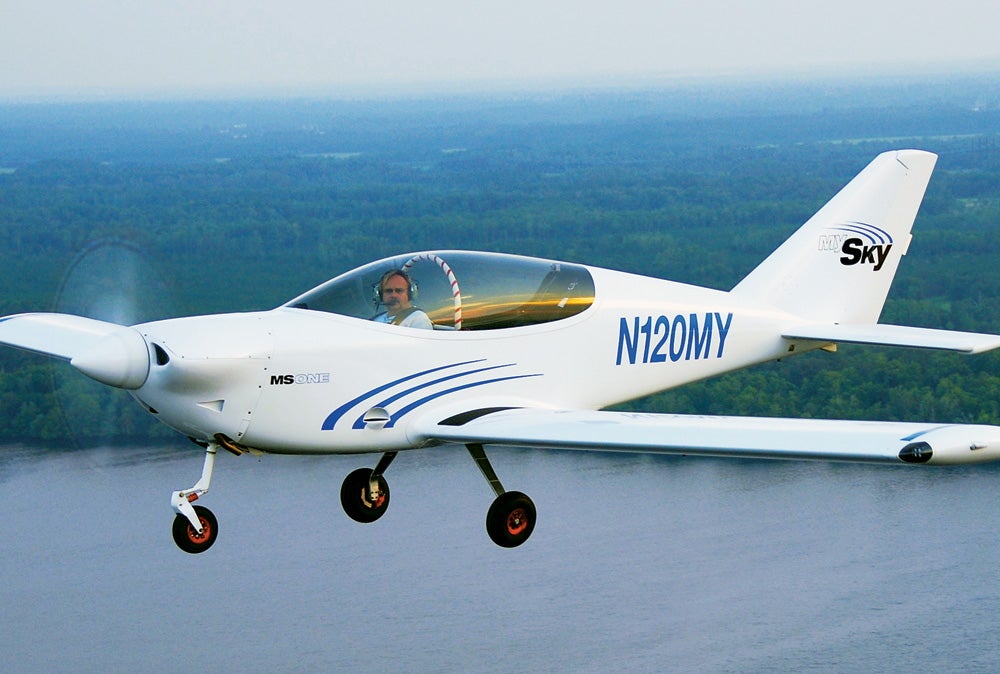
N-number height requirements for light-sport aircraft vary by type, with experimental LSA requiring 3 inches and special LSA requiring 12 inches, alongside rules for placement and proportions.
While some specific older aircraft models may qualify as light-sport aircraft, individual aircraft records must be checked for modifications that could alter their status.
Current CFIs can transition to operating as sport pilot instructors using a driver's license (without a medical certificate) by allowing their medical to expire, provided their medical history meets specific criteria.
Sport pilots are required to complete a biennial flight review, which includes at least one hour of dual instruction, making it impossible to perform in a single-seat aircraft.
Each month, Flying answers questions about the new Sport Pilot/Light Sport Aircraft rule with assistance from the Experimental Aircraft Association (EAA), the authority on the opportunities available within the category commonly known as “Sport Pilot”:
Q: How big do N-numbers have to be on light-sport aircraft?
CREATE A FREE ACCOUNT
Sign up to keep reading
Create a free account to continue. Already a member? Sign in below.