

(June 2011) “Shortly after takeoff, I knew we were in trouble — everything looked, acted and sounded OK, but I watched the vertical speed indicator drop to zero. Knowing we had taken off from a strip located down in a mountain valley, that’s not a good thing. It was just after dusk, so I couldn’t see much, but I saw the tops of the trees — some of which were now above the wingtips. What I could not see was what was directly ahead because of the deck angle. I was concentrating on maintaining best angle of climb speed and checking that I had full power. We were in big trouble.”
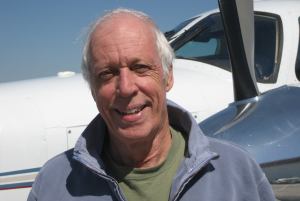
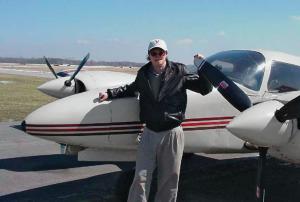
Sandy Schenk was telling me all this in a cold, dispassionate voice, as if he were a highly experienced surgeon discussing a difficult case that turned out badly. This is not surprising, because a talented surgeon is exactly what Schenk is. What is surprising is the response this pilot surgeon had to a devastating accident that left him severely burned and subjected him to 24 surgical procedures. You can see the skin grafts on his face, and you can easily see the stubs he has for fingers when you meet him. All the more surprising, then, is this: Schenk is a busy surgeon today, and he has logged 2,000 hours since the accident. He owns and flies a Piper Seneca as you read this. Talk about getting back on the horse that threw you.