











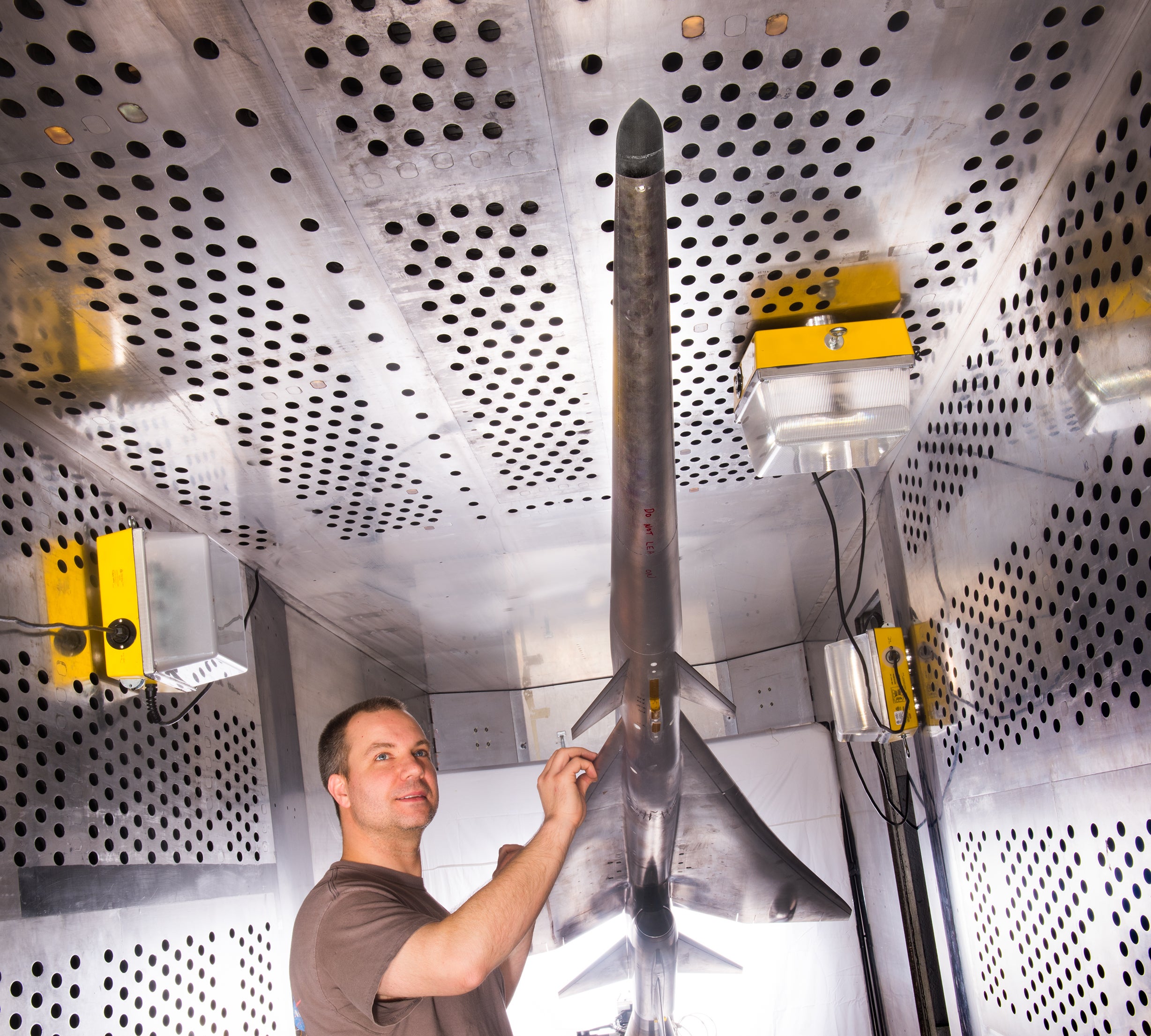
Most U.S. pilots know there’s an FAR restricting a civil aircraft from exceeding the speed of sound over land thanks to the annoying boom that people on the ground experience when one flies nearby. Over the next few months, NASA believes successful wind-tunnel testing of a 9 percent scale model of Lockheed Martin’s X-plane, at speeds up to Mach 1.6, could pave the way for quiet supersonic flight in the not too distance future, making that regulation obsolete.
NASA and Lockheed Martin Believe a Boomless Supersonic Aircraft Is Feasible

Key Takeaways:
- NASA and Lockheed Martin are developing a "Quiet Supersonic Technology" (QueSST) X-plane to enable quiet supersonic flight over land.
- The project aims to make current regulations on supersonic flight over land obsolete by eliminating the disruptive sonic boom.
- This is achieved by designing the aircraft with a specific shape intended to generate shockwaves unnoticeable to people on the ground.
- Currently, a 9 percent scale model is undergoing wind-tunnel testing, with plans for a larger demonstrator contingent on future funding.
Key takeaways sponsored by Aviator Pro | Start Your Training ->
See a mistake? Contact us.

