











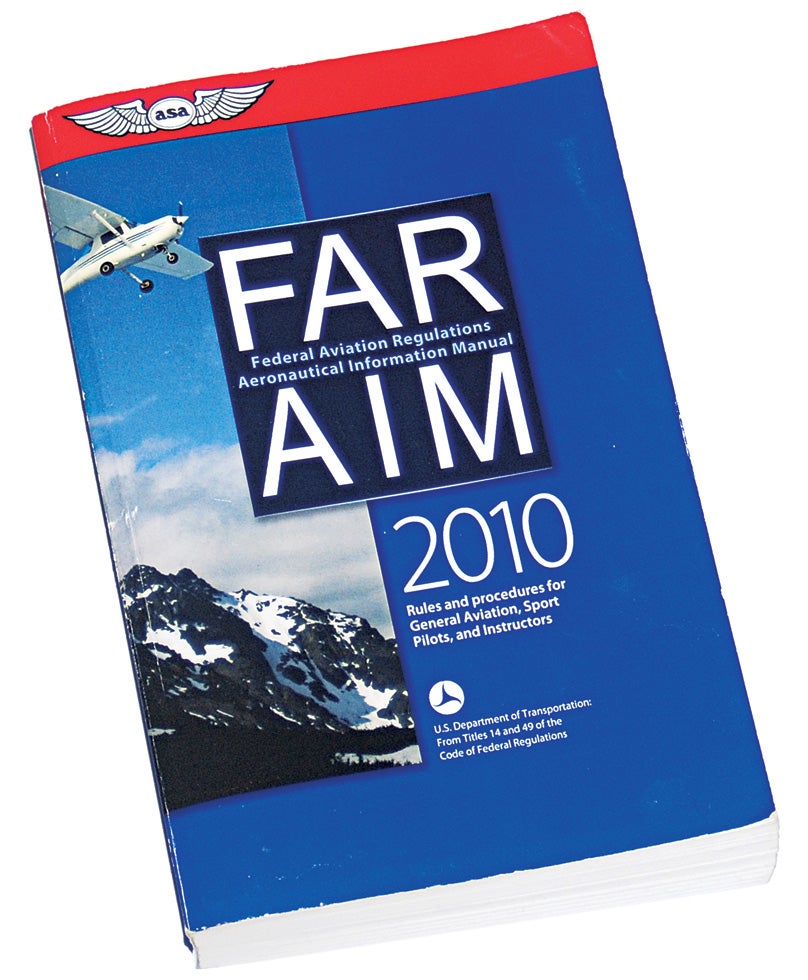


THE WORDS “PLEASE CALL this phone number after you land” strike terror into the heart of any pilot. Sometimes the bad news comes in the form of a letter from the FAA. However it arrives, it is no fun to learn that you are being charged with an airborne deviation from the FARs. Despite some pilots’ impressions, the FAA does not look forward to these events and would be very happy if it never had to process another violation. The goal of the FAA safety team (FAASTeam — faasafety.gov) is “to improve the nation’s aviation safety record by conveying safety principles and practices through training, outreach and education. At the same time, FAASTeam managers and program managers will establish meaningful aviation industry alliances and encourage continual growth of a positive safety culture within the aviation community.”
Because the FAASTeam is dedicated to reducing accidents, and because each deviation represents an increased risk of an accident, the FAASTeam recently published a list of the most prevalent deviations in order of their frequency of occurrence, divided into VFR and IFR operations. While there are no big surprises on either list, it would be beneficial for all pilots to review their flight operations in relation to these lists to look for any weak areas where they could be at risk. The violations are listed from the lowest to the highest frequency of occurrence.

