











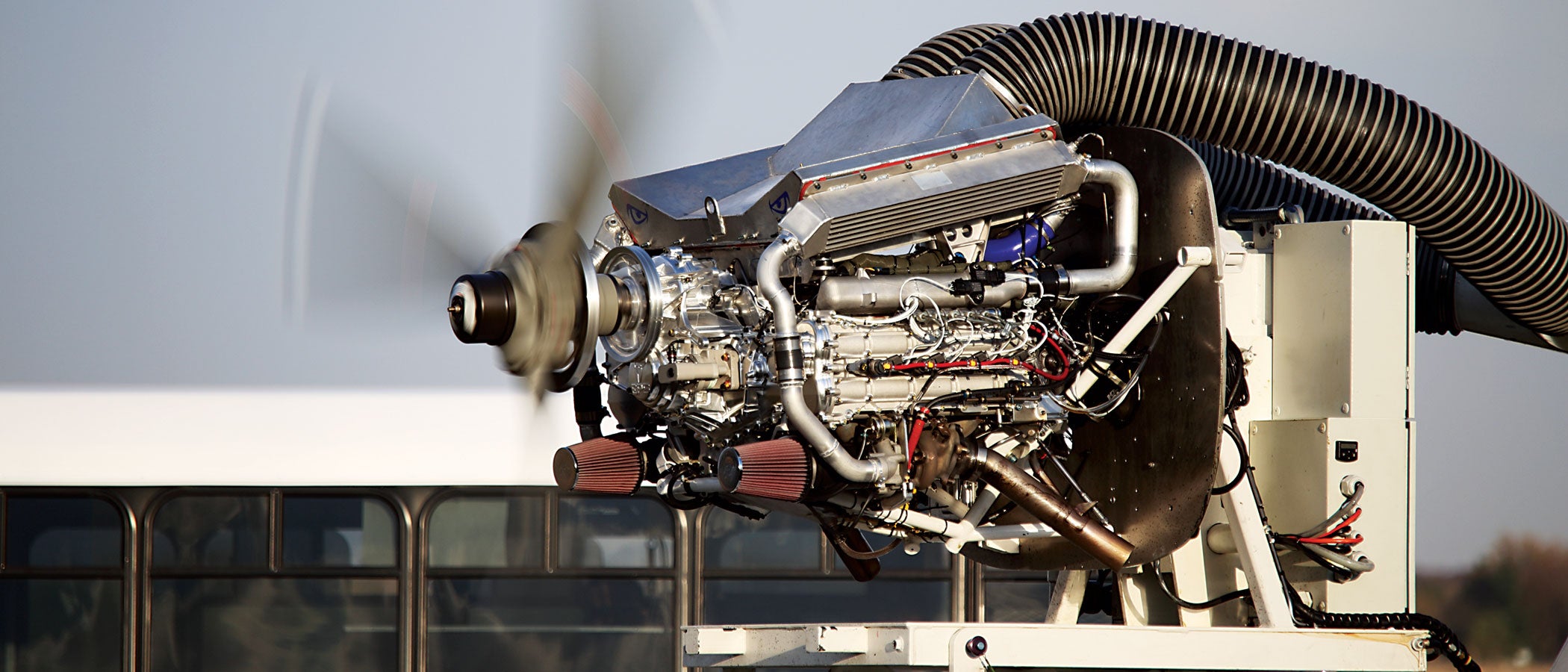
Spend even a few minutes comparing the operation of an avgas-powered engine to a diesel—also known as a compression-ignition engine or a jet-A power plant—and a number of diesel benefits jump right out. Diesel engines don’t have spark plugs, and demand no magnetos. Jet-A-burning piston engines are water-cooled too, meaning they’re less susceptible to overheating on the ground or during climb-out. Better efficiency translates into 30 to 35 percent better fuel economy with a jet-A power plant. Avgas availability isn’t much of an issue here in the United States, but we live in a fuel bubble because 100LL isn’t all that easy to come by in other parts of the world. In a Flying story five years ago, Stephen Pope summed up the jet-A power debate: “They’re more efficient, run on cheaper fuel, and the EPA isn’t threatening to regulate them out of existence. With so much going for them, are jet-fuel-burning diesels ready to take over?” Whether a jet-A-powered piston engine actually makes good sense depends quite a bit upon who you ask. It also hinges on the specific problems a jet-A power plant is being asked to solve: save on fuel costs, increase range, reduce maintenance expenses or some combination of all three. What we can say for certain is that today, the options to install jet-A piston engines in an avgas airplane are closer to becoming a reality than five years ago, although the movement is certainly not a groundswell … at least not yet.
Inside the Diesel Revolution

Key Takeaways:
- Jet-A powered diesel aircraft engines offer significant advantages, including 30-35% better fuel economy, broader fuel availability globally, reduced maintenance, and simpler operation compared to avgas engines.
- While manufacturers like Piper and Diamond are successfully delivering jet-A aircraft and flight schools are increasingly adopting them for operational benefits, widespread adoption in the U.S. is slower due to higher initial costs and the current availability of relatively inexpensive 100LL avgas.
- New clean-sheet diesel engine designs are in development, but a major shift in the U.S. market is largely contingent on external factors, such as potential EPA regulations phasing out leaded avgas, which could create a "crisis" to accelerate adoption.
Key takeaways sponsored by Aviator Pro | Start Your Training ->
See a mistake? Contact us.

