











I picked up a 180 hp Piper Super Cub at the Aspen, Colorado, airport (KASE) and made a slight left turn to allow my friend Joe to pass me in his faster aircraft. As I climbed through about 300 feet, I pulled the power back to reduce fuel consumption—with the climb prop on the Cub, I certainly was not going to go much faster—and I pulled the mixture out to lean the engine a bit. The cable came completely out of the housing and the engine rolled back to idle. There I was just off the departure end of Runway 33 at Aspen with an airplane that had just turned itself into a glider.
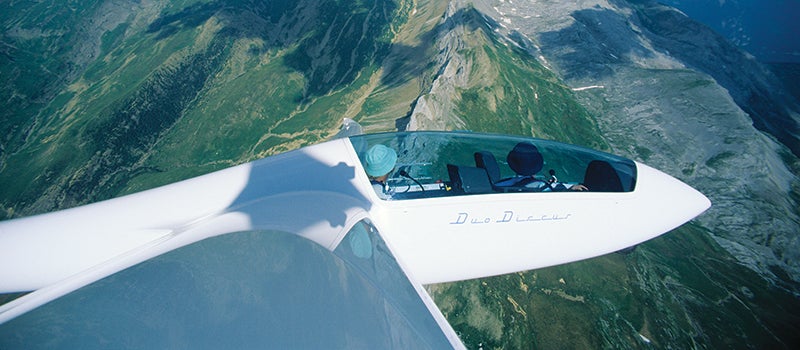
Gliders and Why to Fly Them

Key Takeaways:
- Glider training significantly enhances a pilot's energy management skills, crucial for safely handling unforeseen situations like engine failure.
- It develops a profound understanding of meteorology, teaching pilots to "read the sky" and utilize natural atmospheric phenomena such as thermals, mountain waves, and shear lines.
- The skills gained from motorless flight, particularly in energy management and atmospheric interpretation, are directly transferable and beneficial, improving overall pilot proficiency and safety in all types of aviation.
Key takeaways sponsored by Aviator Pro | Start Your Training ->
See a mistake? Contact us.

